
Process
By Zuzanna Ginczanka
Translated from the Polish by Joanna Trzeciak Huss
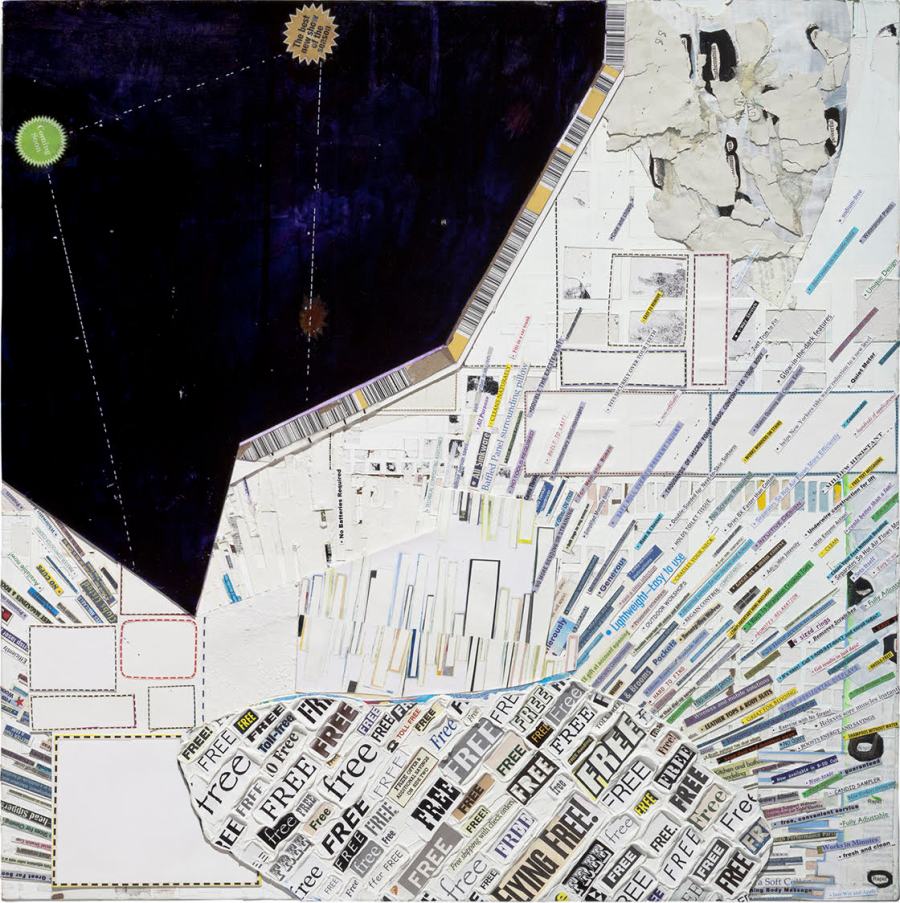
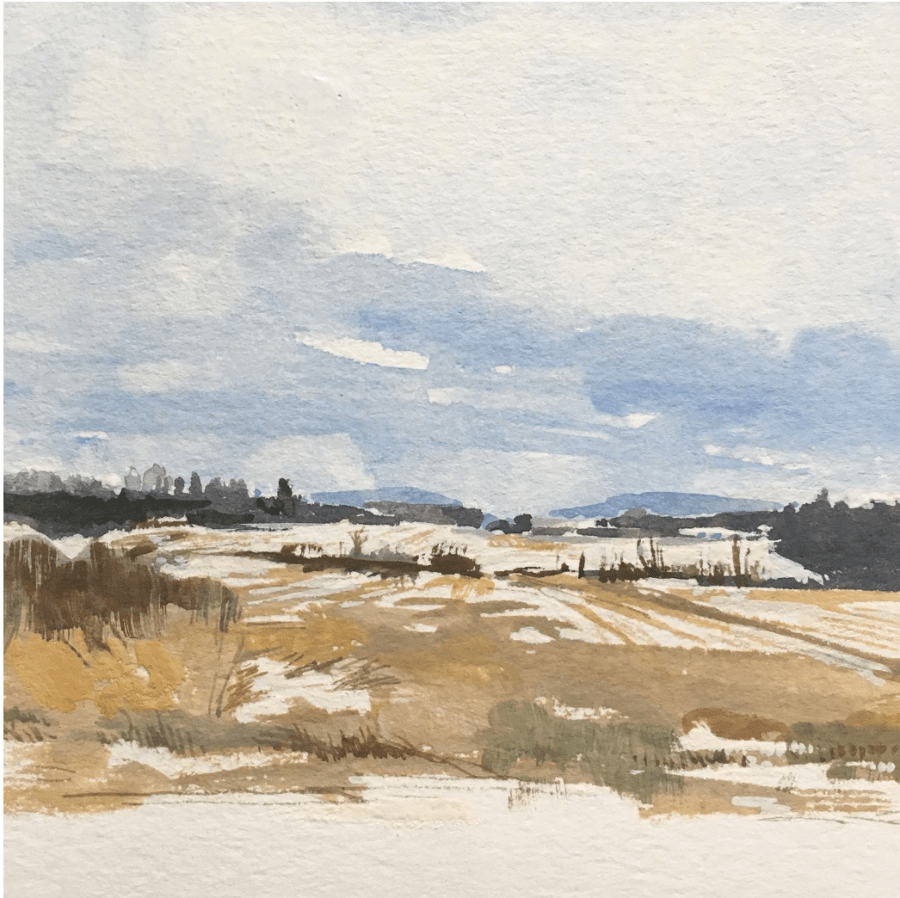
Featured Image: Untitled by Tanner Pearson
1
In the beginning was heaven and earth:
black tallow and blue oxygen—
and fawns
beside nimble stags
and God, soft, white as linen.
2
Cretaceous
Jurassic
Triassic
The earth layers in strata—
The Miocene advances by tank — a majestic conquest.
There is a separation between water
and the land of ferns and birches
—and God sees that it is good when Genesis dawns.
Nitrogen brews in magma,
magma congeals into rock
mountain
thrusts
upon mountain
in a thunderous, cosmic mounting
The Carboniferous enriches the earth with bituminous pulp.
—and He sees that it is good
for moist amphibians and stars.
Iron pulses like blood
Phosphorus hardens into tibia——
— and with singing air, God whistles into pipes of crater.
3
In the beginning was heaven and earth:
and fawn
and tawny stags
but then things took a different course:
and
flesh
was made
word.
4
Back then, a lone rhododendron trembled before a fragrant angel,
horsetails tall as New York creaked and clattered.
Now daisies wilt
in town squares
in Konin, Brest, and Równe
and at night
policemen
and their spouses
make love.
Read More























 New Ohio Review