Designs Less Palpable: Emotional Manipulation and Even-Handedness in Keats
By Matthew VanWinkle
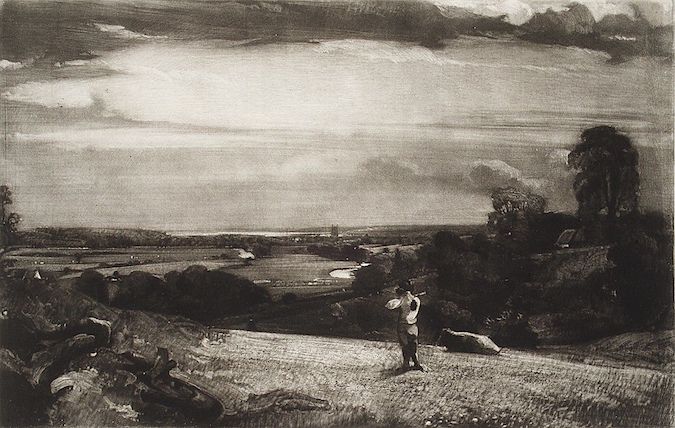
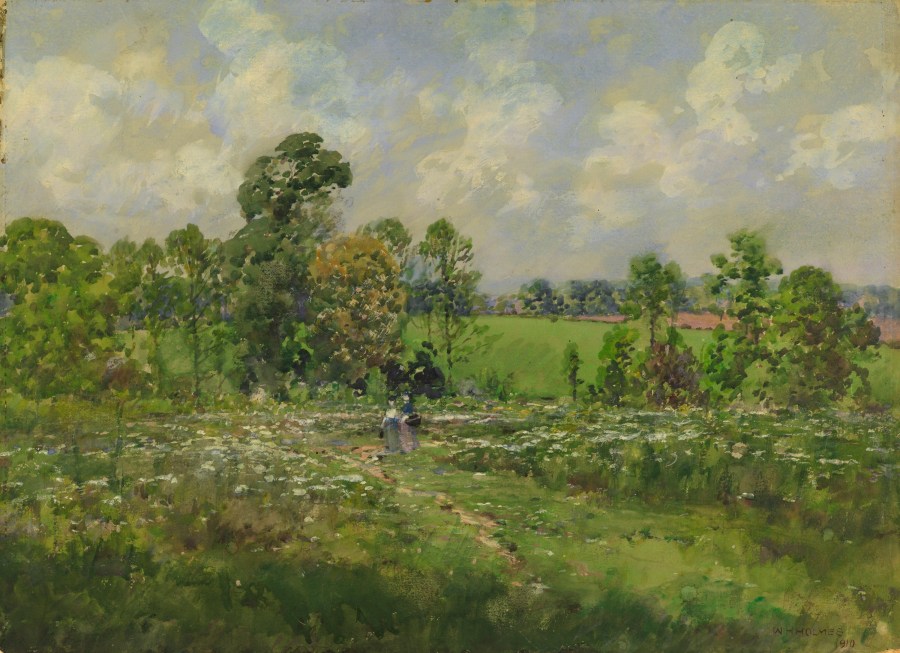
Featured Art: Flowery Meadow by William Henry Holmes
In a February 3, 1818 letter to his friend Reynolds, Keats rejects a reading experience that he associates primarily with Wordsworth: “We hate poetry that has a palpable design upon us—and if we do not agree, seems to put its hand in its breeches pocket.” The reproach is so scathing because it acutely observes how rapidly the poetry’s interest in its audience cools, from the importunate heat of the design to the indifferent withdrawal to the pocket. Keats is fuming primarily at Wordsworth’s dogmatism and propensity for self-congratulation, as we hear earlier in the letter, where Keats complains of being “bullied into a certain Philosophy engendered in the whims of an Egotist.”
At first glance, this might seem like a rarefied chafing, a protest against an intellectual irritation or an effusion of rivalry peculiar to talented writers. Yet the kind of readerly hatred that Keats memorably articulates becomes more comprehensible when we think of art that has palpable designs not on our ideas but on our feelings: the swelling soundtrack that jerks at our tears, the so-cute cartoon kitty kitty that beguiles us into wuv. Every reader has caved in to this sort of appeal at one time or another, and many readers look back on such acquiescence abashedly, or worse. How to admit, even in hindsight, to having been manipulated, to having feelings that can be summoned and practiced upon with such infuriating confidence?