Announcing the Summer Online Exclusive

The latest summer online exclusive from New Ohio Review is now available! Scroll down to read.

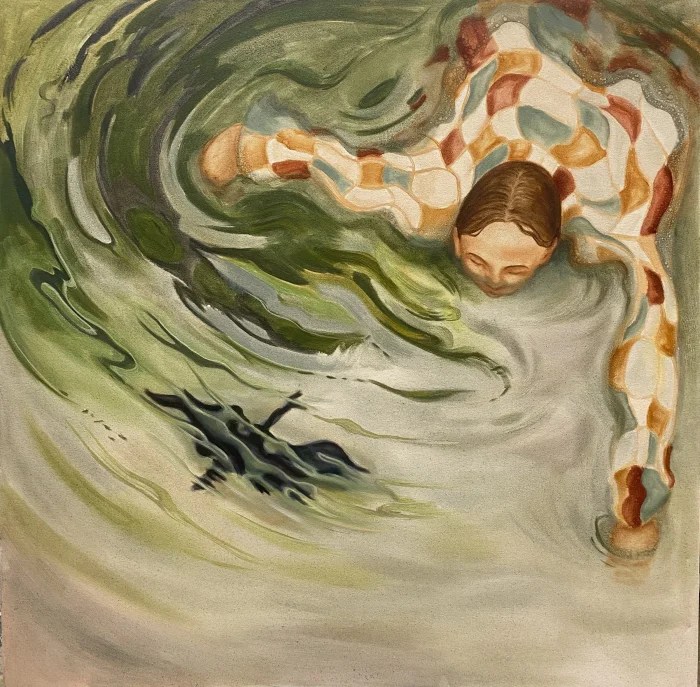
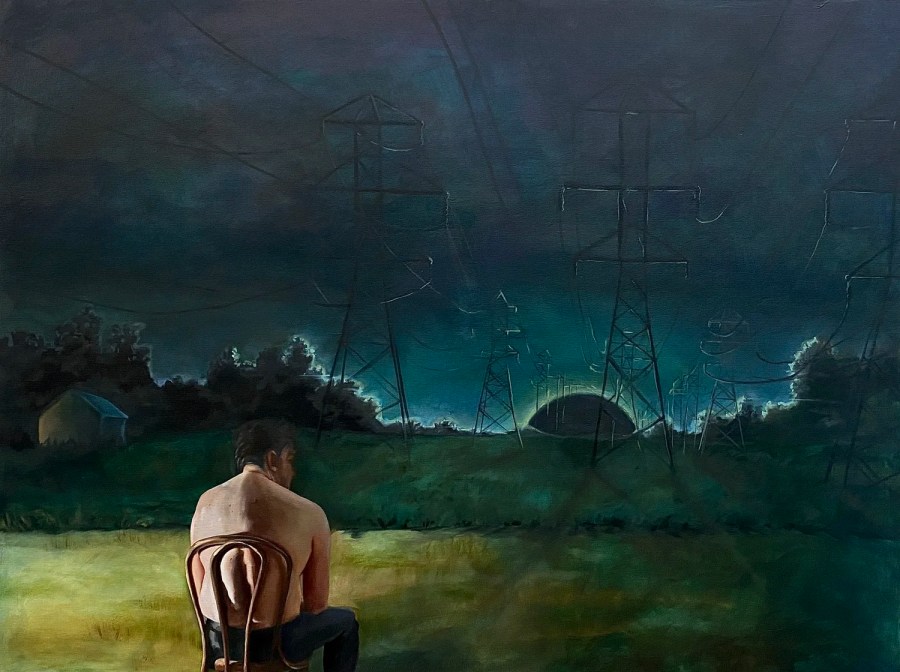
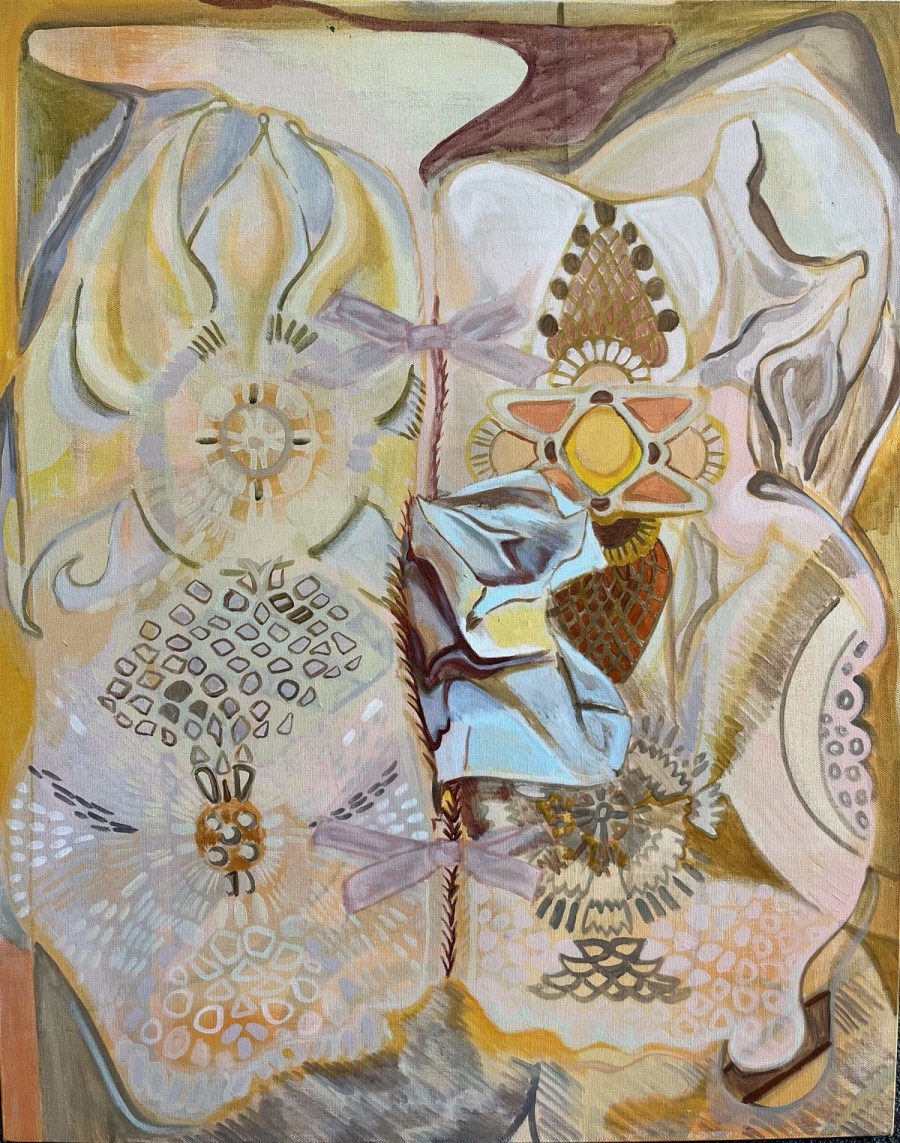
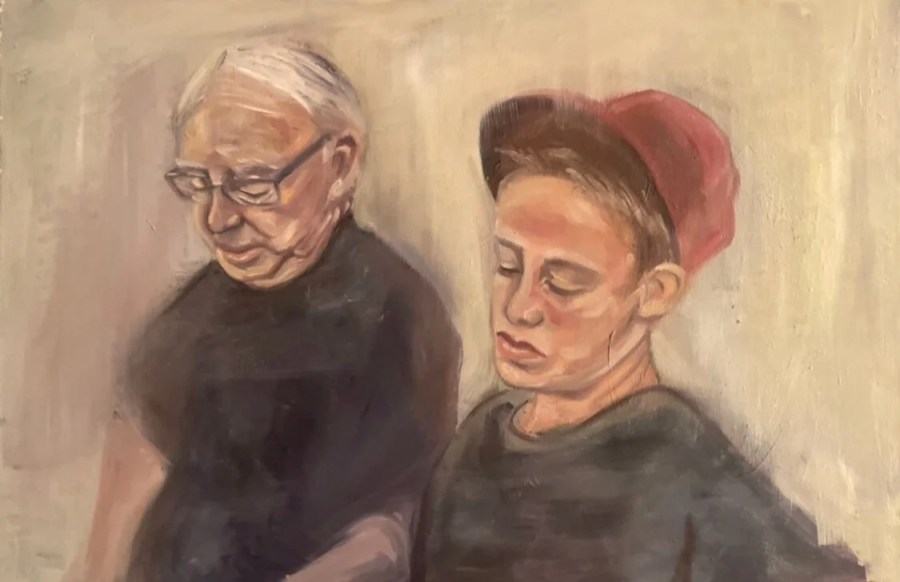
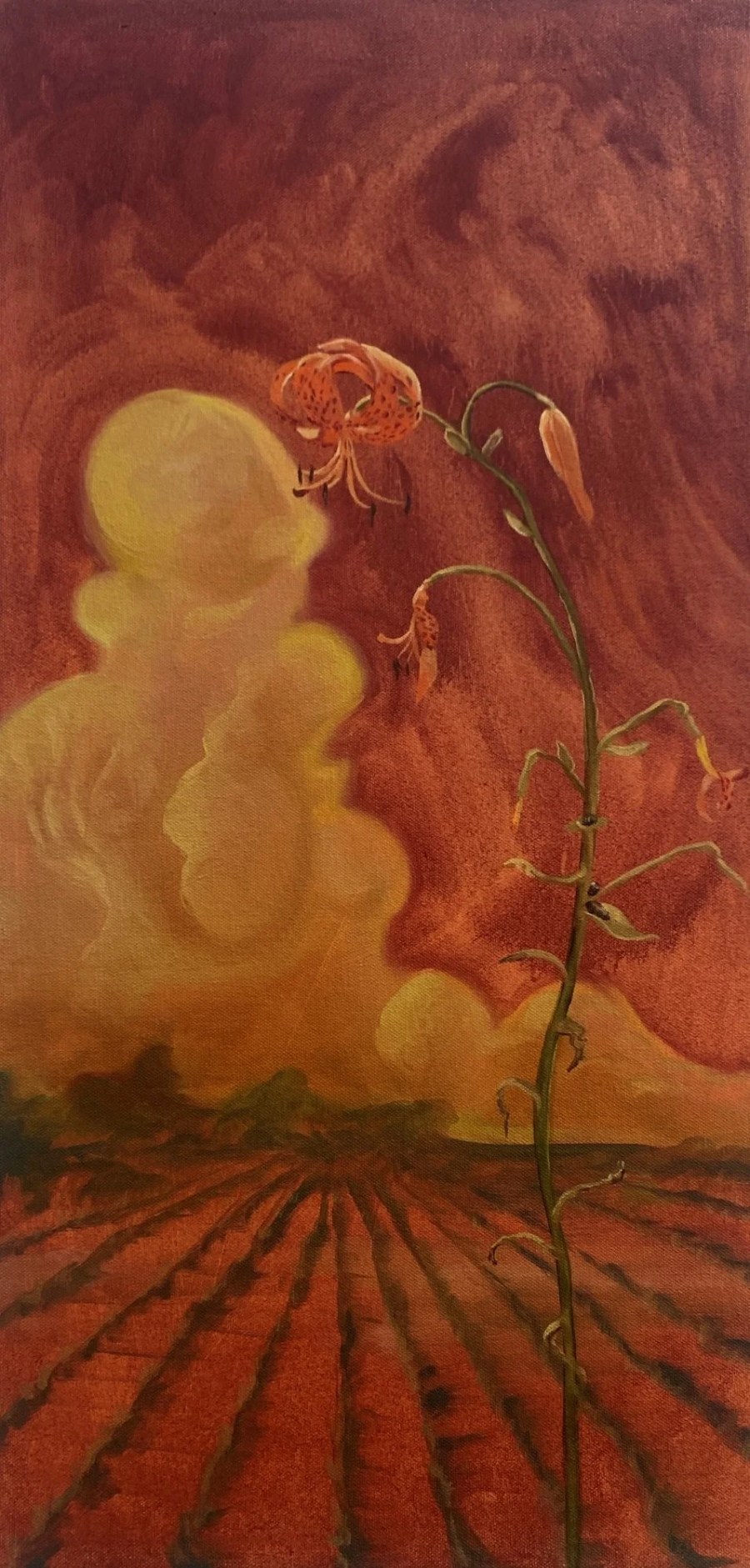
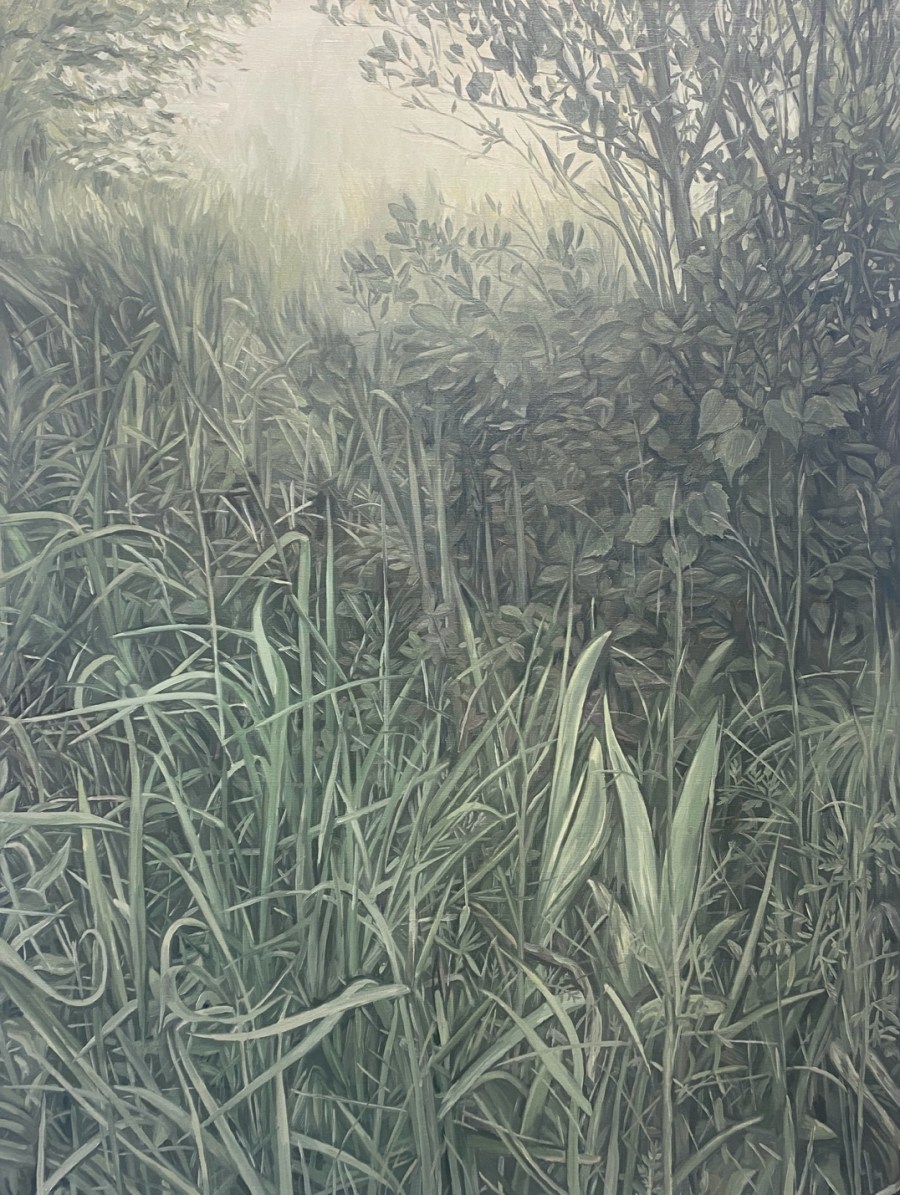
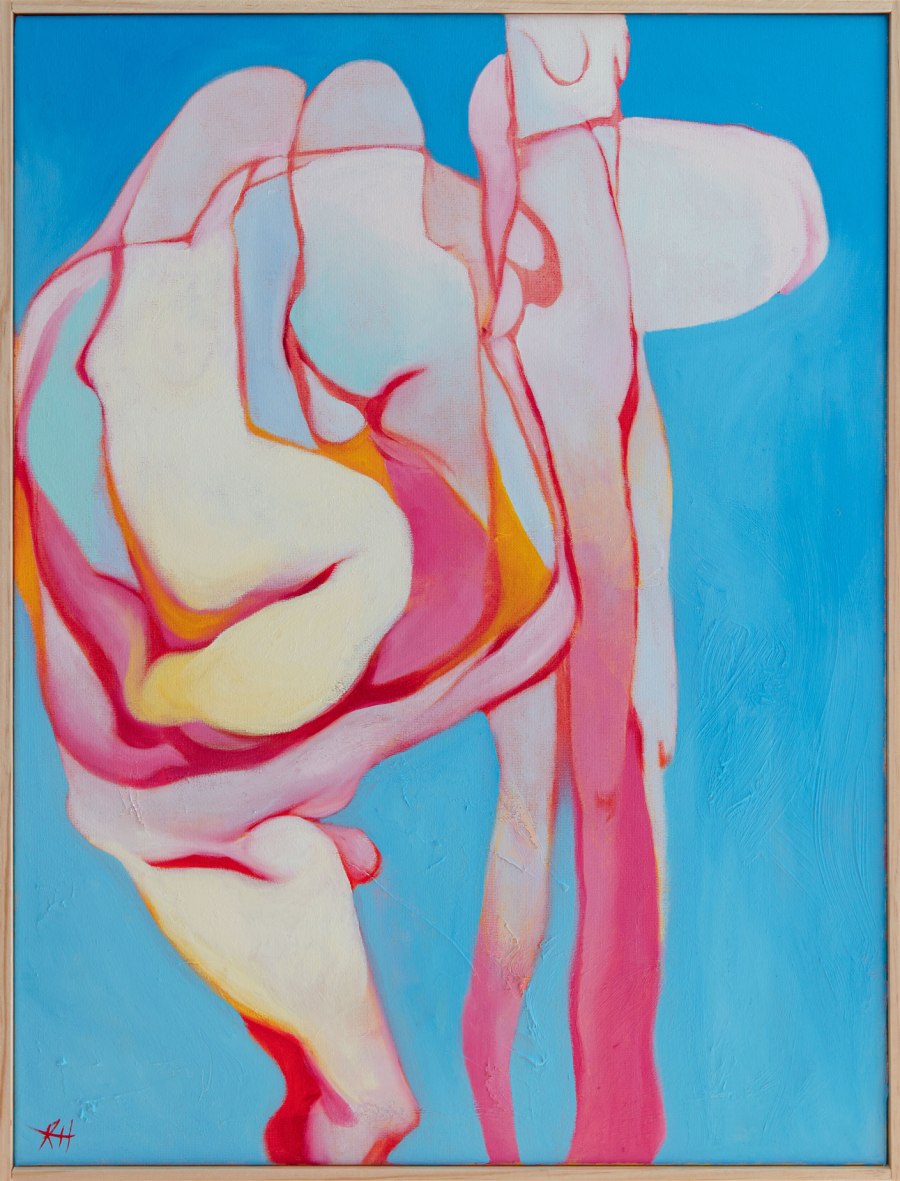
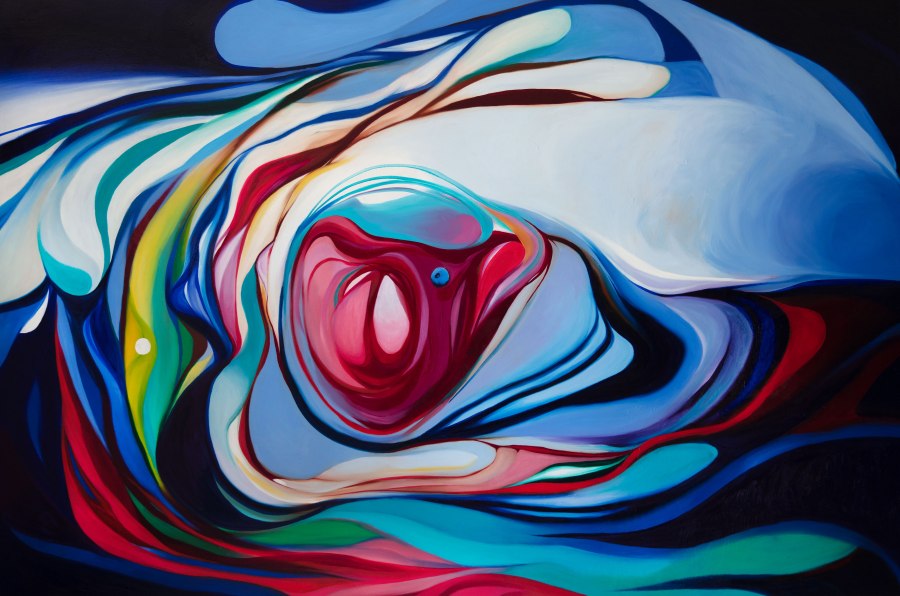
The issue includes featured art by Stephen Reichert, including our cover image, Untitled, 2012; poems from Natalie Taylor, Emma De Lisle, Kathleen McCoy, Jeff Worley, Mark Williams, J.D. McGee, Laura Vitcova, and Susan Cohen; fiction from Paloma Martínez-Cruz, JB Andre, Diego Arias, Joe Plicka, Meghan Chou, Logan McMillen, Ivy Goodman, Dena Pruett, Alison Theresa Gibson, Kenyon Geiger, Colton Huelle, and Sayandev Chatterjee; essays from Farah Barqawi and Maya Friedman; reviews of new work by Maria Zoccola, Dustin M. Hoffman, Michael Chang, Claire Bateman, Susan Browne, Dion O’Reilly, Vivian Blaxell, Sunni Brown Wilkinson, Therese Gleason, Jennifer Schomburg Kanke, and Stanley Plumly.

We hope you enjoy.

Thanks for reading,

-The Editors

Drink it up, buttercup

By Natalie Taylor

                                                             Blue Fruit Moon: August 30, 2023

There’s a lot of hullabaloo in the woo woo
circles about this Super Blue Fruit moon, so rare
we won’t see the next one until 2037. My astrologer
friend counts on her fingers seven celestial bodies
in retrograde: Mercury, Venus, Saturn, Uranus,
Neptune, Pluto, and Chiron. A celestial goo
of retrospect and rehashing, a muck of revisiting old
stories, exes, holidays and birthdays fuzzy on the why
but clear on what wasn’t there, who didn’t show up,
what we missed. Wheels spinning under
a tree. What was plucked too small, hard
and green. Reconnecting with your inner child,
still wanting to play, to be held. Still dreaming
of some freedom attainable with gobs of money or super
hero powers or sheer will. The planets rotate in reverse,
earth shifts in its nook in the universe. We look back.

                                       Riding my scooter after teaching a late class, I stop
                                   at the light. I am not young anymore. I shiver in sweaty
                                      yoga tights, chilling in night air. Once I make it home,
                                             I will have fulfilled responsibilities of all three jobs,
                                        another 12 hours devoted to maintaining shelter and food.
                                          A young man pulls up next to me on his Kawasaki, dirty
                                          carburetor popping with every wrist crank. He waves
                                         smiling under midnight metallic helmet. In the other lane,
                                                                    a Harley’s deep throat rumbles as its bandanaed rider
                                                                     revs the V-twin crankpin engines. We wait for green,
                                                                  a small symphony of crankpins and cylinders and buzz
                                                       and backfires under a freeway overpass. I point to the moon,
                                                                 full and free as a peach, Saturn in conjunction hovering
                                                                                               just above, still spinning. The riders flip
                                                                                            their thumbs up. Just some kids on bikes
                                                                                             lapping up all the juicy bits they can get.


Read More

Miracle-Proof

By Emma De Lisle

A few of the stories were good: Lazarus, Cana, the adulteress. Who doesn’t love a stoning? Or picturing him balancing on that dark sea, feet peeping over the waves that some hand ground down out of those purples and black-blues, phthalo blue, and Egyptian, something iridescent crushed in to sign what you can’t see below. Nacre, maybe. Like a salamander in a flash-photo. Oil on the water like skin. Or like that pearly interference stretched over a raw muscle, its meat-cells cut against the grain. Light-struck. Divided. And the angel. I can hear it. Not a swishing sound, like you’d expect, or a rushing, or anything with such a shhhh. Hush. We’ll be interrupted. I’ll be hyperextended and impossible—this strange star of limbs and hinges like something that could stand up on its own, yanking double-handed on all my cords and tendons, yellow-white if you bite into them, popping, those rickety rubber stalks full of the code that makes me go. Code that opens my mouth. Speaks me. Is it miracle-proof? God sent a messenger to say, Believe her. And would do it again, would do it in a heartbeat. All we do is stay in the foreground, we bend low, we write it down.


Read More

Wall of Clocks

By Kathleen McCoy

“We rarely hear ‘truth and reconciliation’—just ‘truth and justice.'”
—David Park, author of The Truth Commissioner

On this wall tick your childhood and mine, your loves
    and mine, your regrets, cacophonies of memory

and harmonies in your ear, coagulations of unuttered grief,
    relentless news from a grittier Belfast, our cousins

going at each other in the streets, Molotov cocktails and hurled
    rocks. Rifles. Truth without whisper of reconciliation.

But this is not the Belfast we have read about. Now the streets
    are clean, the bricks new. Twenty-seven percent check

the “no religion” box. Yet boxes there still be. With Barry’s tea
    I toast a thing that is not a thing, a thought that is not

singular beneath rolling gray clouds that siphon the self,
    that challenge perception, angle and taste, domesticity,

violence, numinousness. Dozens of clocks stand at attention,
    unseeing eyes fixed on the observer, no two declaring

the same time. None advance; all compel stares: one moon-
    faced grandfather clock painted blue, grannies’ broken

clocks, wooden clocks with cats or hens or roosters or sheep or
    horses or farmers and their wives with mice that once spun

in small circles to children’s delight, oak clocks, clocks of ivory
    irony, aluminum alarm, plastic grace, yellowed whites

like tired eyes, grays like boards left out too long in rain—all stand
    in pleasing array—but this signpost points in thirty directions.

No wonder I never know what time it is!
    This liminal Belfast in earliest glimmer of spring

wriggles into the raincoat and, despite its bloody past,
    could be nearly anywhere within the body or the earth.

Sitting before this monument to time, its silent mellifluence of green,
    its threat or promise of birdsong or the sound of striking, I note

how milky tea grows cool, limbs warm. In my absence, here. I am.

Read More

How to Test White Guys

By Paloma Martínez-Cruz

The first is named Steve Stahl. You have no claim on him; the concept is beyond imagination. Enjoy quiet contentment as you color your tree trunk brown using a box of crayons that sits between you. Steve surprises you the day he announces, “I brush my teeth” and pecks you on the cheek making a smacking sound with his lips.

This means something.

For the end-of-year dance recital, the teacher’s aide pairs you with Juan, a dark brown boy who speaks only Spanish. The teachers choreograph a preschool version of the Mexican hat dance, and you see that a blond girl has suddenly materialized to be paired with Steve Stahl. Had she been in your class the whole time? How is everything about her so yellow? Steve Stahl gets right down to the business of dancing with her, which is just as baffling as her sudden appearance. How is he unwilling to boycott the dance or at least throw a crayon at the teacher’s aide in an act of defiance?

Read More

5 things getting attacked by a dog taught me about mid-level B2B sales management

By JB Andre

Featured Art: Stephen Reichert, A List of the Reasons of Why I am Getting Into Computers, 2025. Oil pastel, pen and marker on paper, 14″ x 11″. 

First I want to start off by saying that I am OK. An ambulance ride, eight stitches, and a lot of painkillers later, I am safely at home with my beautiful, loving family. Shoutout my amazing wife @CamillaSpringer for taking such good care of me after my hospital stay. I also want to take this time to share my gratitude with friends and family who have reached out to wish me a safe recovery—and to those who haven’t: it’s not too late! I have decided to post about this following the success of my more personal article: “What I learned about leadership when my Grandmother died.” To all of my readers, again I thank you for your well-wishes. Please don’t forget to like, share, re-post, and comment. Follow me if you don’t already for more great business content!

Yesterday morning, I was walking my labradoodle puppy (say hi Max!), or, I suppose, we were coming back from a trip to the park, and crossing the parking lot to our apartment (for those of you shocked that we still live in an apartment, check out my article “The risks of homeownership for early-career entrepreneurs”). About halfway across the parking lot, I saw a nasty-looking dog. About 70, 80 pounds, brown, a mutt with a broad, square face like something between a pit and a shepherd, but low to the ground and stocky. I recognized this dog and knew it was trouble (check out my post “Max got attacked by a dog but he’s OK: Resources on pet care and picking an affordable veterinarian”). It was walking up to us slowly, but I have to admit—I ran! Which brings me to my first of five tips.

Read More

Fritura Sunday

By Diego Arias

I sat at a Taco Bell reading a book about cultural marxists, contraception, and immigration. Someone gave me this book and told me it would define the election, but all I could gather was the author yap on and on about country clubs and labor unions and working-class business practices and shoestring budgets. I very much wanted to dump the book in a garbage can and never read anything about it again, but I was waiting for someone and had nothing else to do. I looked up from my carne asada steak taco and watched a man in the corner enjoy a soccer game on his phone and take savage bites out of a large, engorged chalupa. As he bit into the fried casing’s manila envelope colored flesh, a bright red sauce squirted out and spread across the table. Holy Cucamonga, this was a wild, satanic place. Men with the legs of flamingos and heads like snakes from Central American jungles rummaged through middle American taco concoctions like a teenager in a 1950’s drive-in theater parking lot. They fondled these damn tacos and burritos in uncomfortable, godless ways. What sort of place was this? What kind of man visits a Taco Bell in the middle of the afternoon and orders twelve of these grease torpedoes only to consume them in one twenty-minute sitting? What sort of liver processes that kind of modern nutritional content?  

Read More

Featured Art: Stephen Reichert, Untitled, 2015. Oil on canvas, 10″ x 14″. “Ernst Cassirer, An Essay on Man” series.

Paste

By Joe Plicka

“Unknown / Man / Died Eating / Library Paste / July 14 1908”

                        — epitaph on a headstone at Pioneer
                         Cemetery in Goldfield, Nevada

We were called to Braddock, arriving after midnight to find a woman, recently widowed, laboring with her fourth child. She stood in the kitchen near a burning stove, unclothed and sodden, gripping a thick cord dangling from the rafters. As her pains grew, she called for her oldest daughter to bring a syrup she’d somehow procured from a druggist in Cleveland, an anodyne she was willing and able to try in the absence of her late husband, whom she fairly cursed for his commonplace insistence—when he was alive, of course—that a daughter of Eve not “thrust aside the decrees of Providence.” The druggist, however, had mixed the compound with blackstrap molasses rather than rose honey and the poor woman found the flavor unpalatable. She cried for flour paste, which her daughter fetched from a printer’s devil down the road. This paste she mingled with her bitter cure in an empty sardine tin and continued to taste it with a wooden spoon, even as she birthed a healthful boy with the most immoderate hair one ever saw on an infant.

                           — Mabel Gaskin, midwife, 1850

Read More

MY WIFE, IN HER ELEMENT

By Jeff Worley

Featured Art: Stephen Reichert, Untitled, 2012. Oil on canvas, 12″ x 12″. “Cirlce” series.

(for Linda’s birthday, 9/5/2023)

You were a human otter,
who loved to roll and roll
in every body of water you found
waiting. Friend’s backyard pool,
Cave Run Lake (an easy walk
from our cabin), tumultuous waves
off Ambergris, all there for you.
               In Kokkari, 1981,
the Greek boys watched
every step you took from the frothy
Med because you hadn’t bothered
with a swimsuit, flinging beads
of turquoise water from the tips
of your raven hair. You laughed,
sputtering water, nearly breathless,
smiling at me taking this shot with the Nikon
from our Daisy Duck beach towel.
               Does life
get any better than this? Not for me,
I thought then. Not for me, I think now.

 (for Linda Kraus Worley, 1950–2021)


Read More

Watching Football with My Dad

By Mark Williams

Saturday night, fourth quarter underway
of a close Packers game. Bart Starr era.
My dad and I were sitting on the couch
in my Grandma Mabel’s apartment.
My legs barely reached the footstool
that my great-grandmother and I
played Chinese Checkers on. But that night,
I was watching football with my dad.

He played left end in high school.
Leather helmet. No face-guard.
When I was seven or eight,
he bought a white football
so we could play catch in the dark.
He taught me how to throw a spiral.
Fingers here. Thumb there. But that night,
I was watching football with my dad.

It must have been near seven o’clock,
Vince Lombardi on the sideline, when
we heard footsteps coming down the hall.
It’s time for the Welk show! Grandma shouts
before she, my great-grandmother Torsie,
and my great-aunt Pauline entered
the room like an offensive line. That night,
my dad and I stopped watching football

so they could watch Lawrence (an’ a one,
an’ a two . . .
), his Champagne Music Makers,
The Lennon Sisters, and Myron Floren
as, no doubt, Jim Taylor went for ten
and Max McGee went deep. I never played football,
though sometimes when I think about the past
I feel like I’ve been hit. But on nights like this,
I am watching football with my dad.


Read More

Butter

By Meghan Chou

Featured Art: Stephen Reichert, Untitled, 2014. Oil on canvas, 12″ x 12″. “Cirlce” series.

I first saw her aboard the JADE PRINCESS, a cruise ship several miles off the coast of New Hampshire. She wore ribbons in her hair and a leather choker around her neck that read GIVE ME A REASON. The two of us made up the entire wedding party. I played the roles of daughter and maid of honor and she, her father’s best man. The other guests were staff on their dinner break and a couple gamblers, vying for a seat at the blackjack table.

The captain kept the ceremony short (on autopilot like his ship). Ma had already been married twice, yet for Husband #3, she still felt giddy and hopeful. Where I saw folding chairs and a wrinkled backdrop, she saw romance. Where I saw a cardboard cutout of her last boyfriend, she saw the love of her life. When the time came to exchange vows, I handed Ma the wedding band for her five-second fiancé, a mood ring from LOST & FOUND that glowed black in my sweaty hands. The best man gave her father a light-up jelly ring and our parents sealed it all with a kiss.

“Faye,” she introduced herself at the reception, my stepsister before I learned her name.

“Lenny.”

Read More

Providence

By Logan McMillen

i. Kansas City, Missouri— 1983

Every morning before the store opened, Rubén tempted George into smoking a cigarette by the loading docks—which had a clear view of the highway and the sunrise. Today was no different.

“You’re the devil,” George said—with his lighter already pulled out.

George owned the home improvement store where Rubén worked.

The missionaries were quick to find a job for Rubén. And even though it wasn’t in his field of study, or anywhere near his relatives in New Jersey—Rubén liked it. It gave him a casual sense of purpose.

“We don’t really follow that one,” Rubén said. “Do we?”

Rubén often pretended that he didn’t know anything about Mormonism, even though he’d been “practicing” for over two years. He thought of the religion mainly as a way to stay social in an unfamiliar place. That and he felt like he owed the missionaries something. If they wanted his soul, so be it.

Read More

Ichetucknee

By J.D. McGee

Featured Art: Stephen Reichert, Untitled, 2013-2014. Oil on canvas, 12″ x 12″. “Cirlce” series.

Archaeological exploration has discovered the site of a 17th century Spanish mission, San Martin de Timucua, next to a short tributary connecting Fig Springs to the Ichetucknee River.
Florida Dept. of State

i.
In needy dawn’s tabula rasa, shred
through breaches in the birch like candleflame
refracted, flung through flashed glass and calms,
as Ichetucknee disrobes habits of mist,
I splash the slim canoe, a floating pew.

The mind creates liturgical vestments;
they vex, featherless chicks pecking for feed.
A broken heart paddles strangely: it bleeds
blood, needs blood. It begs, a feckless and cracked
flask that prays for shape of spring water

ii.
Although the spring is just a thing. It flows
from aquifer, hyaline through bedrock pits.
The parable of trees on the banks preach the chase
of sun and soil; the verse of dragonflies
incants the atom need to procreate and feed.

If it was only just the heron’s sweep,
the otter’s slip, indignant turtle glare,
quiescent flow, supplicant fawn and doe.
This hush, is it within or without me?
Is it scrub jay songs or songs of myself?

iii.
We sat in plastic circles, yellow rooms,
desperate to deserve salvation, told
to find a Higher Power. Fine. But, God,
what grace for nicotine thumbs, DT feet?
Alone, breakfast:
       I once was lost but now

Am found.
    They sang in church when I was young.
Was the hymn an echo, my voice right now,
or welled from other springs? A coffee trick,
perhaps, compelled halation through the blinds,
wrought mosaics inlaid with my cracked glass.

iv.
It may be how, like mouths open to pray,
the stream invokes river, or a wood stork
sainting; it may have been the want of me,
the open wound or suckling, skies precise
and rare as sapphire, oak monk robes of moss.

It may have been wonder, childlike awe,
primordial immanence in my tear ducts;
or, maybe just the child who needs to know,
who breathes dreaming into the world he floats.

What befell may have already been there:
in my bowels, in clear imagined depths
where mullet twine like a child’s friendship braid.
The child’s ease for tears: it may be these springs
are my tears, maybe the tears of angels;

maybe, there is no other god for me.

v.
If I could speak, articulate, shape words;
or, I’m just cursed, repeating all I’ve heard,
a mouthpiece forever, slowed to stone and root.
What self beyond reflection? Stare and yearn,
burnt and burning, to waste away and drown?

I fall into the mirror, the boreal shock,
and deep in the headspring’s gaped mouth I see
a blackness stretched back, but a rush of life,
flawless as the first breath, sharp as a spring sunrise,
bored into bedrock, black, back, the spring of myself.


Read More

Not Now

By Ivy Goodman

Featured Art: Stephen Reichert, Untitled, 2011. Oil on canvas, 18″ x 12″. “Cirlce” series.

It was a late season game on a warm Saturday approaching summer but not yet humid, overcast, so that clouds gave shade, and if the rain started, good, then the seemingly interminable might end sooner.

Boys, aged nine and ten, were playing baseball.

The game was real, with real uniforms, equipment, jargon, and rules, but it also seemed as momentous as make-believe. I understood make-believe far better than team sports. Oh, I understood sports, but I didn’t. I couldn’t. Like the color blind or the tone deaf, I was somehow incapable. While other parents followed the game, I stared at the players’ families more than I should have.

In our family, there were three of us, my husband, myself, and our son, and we had moved to the area just months before. Newcomers, we were late to register, and our son was assigned to a team with room for stragglers. We still didn’t know quite where we were, what was this place, who were these people? For me the quandary wasn’t just who in general or in particular, but also that deeper puzzlement I often felt, not who but what. What were people? I’d been staring at them my entire life.

Read More

The Surgeon’s Wife

By Dena Pruett

He tells us he is like that boss, you know, the one from the movie.

“That’s all.” He’ll trill as he flutters past in a mockery of the boss, the movie, us.

 We can tell how a surgery went by the particular way he wears his white coat. On good days the coat is on, collar crisp, the sides flapping up and out as he strides forward, fast and sure. On bad ones, the coat is in his hand, tight and bunched, ready to throw at a chair as soon as he steps into his office.

The rhetoric is as fluid as his fashion. God works through his hands. It’s all divined, preordained. He is but a vessel, an instrument of something higher, more profound than him. Or, it’s everyone else’s fault. The residents are lazy. The nurses and P.A.s slow. The tools not sharp and swift, just out of reach. The patient—too weak. We forgive him these days. He just cares for his patients, the practice. We imagine that deep down he holds himself accountable, feels too much, and this is all mostly bluster.


Read More

Self Portrait as Horse Mouth

By Laura Vitcova

Featured Art: Stephen Reichert, Untitled, 2012. Oil on canvas, 12″ x 12″. “Cirlce” series.

My lips spread open like the doors of a carnival
ride flashing to reveal a narrow-gauged rail
of teeth that jut from my mouth, pink gums
wedged between white enamel planks,
a freak show, a long tongued chasm
in a distorted body, a chamber of horrors,
a tiger’s bladed mouth about to rip out
your last thought with a laugh.
But you said mine looked like a horse’s mouth
that deserved a bit, maybe a bridle, definitely
a saddle. I was broken before I knew my flesh
would stretch to accommodate a lifetime
of acorns in my cheeks, that I would learn
to survive the wild winter.

Read More

Landscape with the Fall of Icarus

By Susan Cohen

Featured Art: Stephen Reichert, Untitled, 2012. Oil on canvas, 12″ x 12″. “Cirlce” series.

       after Brueghel the Elder and W.H. Auden

We know what the father did,
aimed too high.

And the son dared too much,
while the ploughman and his stout horse
just got on with business.

But what about the ocean,
Brueghel’s dull green sea, spread
flat as a bolt of fabric?

A few spits of foam
around the boy who cannonballed
headfirst, legs askew,
poor zapped mosquito. A shrug
of polite ripples
and the water takes him in
without the protest of a splash—
Brueghel’s brush applied like a narcotic
to smooth the waves.

They did get it wrong
sometimes, the masters.
Even a painted ocean
can only take so much.

We know now what our ambition
does to seascapes—empties them
of coral and of coho,
fills them with glacial melt
and sends the waters raging.


Read More

A Woman, Splayed

By Alison Theresa Gibson

Featured Art: Stephen Reichert, Untitled, 2014. Snow in alley, Baltimore. “Cirlce” series.

It was a cold Thursday in April and frozen leaves slipped along the ground. Easter was over, the southern hemisphere was descending into winter, we were hunkering down for the darker, colder months. I was walking around the lake, like I did most days, wondering if I should visit my mother that afternoon. My father had been dead for six weeks and I had only seen her once since the funeral. The sun was cold but golden. Currawongs sang their pyramid of song, the soundtrack to every morning of my life. 

The man was standing at the back of the toilet block. The ground was dirt around his feet. He was standing with his hands in his pockets, his eyes on the ground, but not on the dirt. He wasn’t contemplating the lack of grass. His eyes were on the body.  

She was on her stomach, legs splayed, greyed hair splayed, fingers splayed. She was splayed. He was standing. He was staring. The sun had risen fully and offered light but no heat. 

The graffitied brick of the toilet block had hidden the sound of my approaching footsteps. Frozen leaves were scattered at my feet and I didn’t move, afraid of their crunch.  

He crouched near one splayed foot. He ran a finger along the inside arch. When he whistled, the currawongs paused for a moment, then restarted with gusto. He looked into the branches of the surrounding trees and whistled again. Again, they called back. The splayed woman didn’t move.  

I inched my phone from my pocket and dialled triple-0 without looking. His finger was tracing the arch of her foot, his head was back, his whistle faltered.  

‘I’ve already called the police,’ he said. He could have been speaking to the splayed woman. ‘They’re on their way.’ He stood, his hands sliding back into his pockets. The currawongs’ calls were growing louder, more ferocious, like they were distressed by the absence of his whistle. ‘She’s been here all night,’ he said. 

Read More

Essay: What We Talk About When We Talk About Maqloobeh

By Farah Barqawi

I was having a lazy Saturday morning in my kitchen when Mama called on video. It was still ten a.m. in Brooklyn, but it was five p.m. in Gaza. I fixed my messy hair and picked up the call only to realize she was not calling from her home.

The only thing I saw next to my mother’s face was the fabric of the back of the couch she sat on, but I immediately recognized the room she was in. She was at my cousin’s, Wafaa, the eldest daughter of my Aunt Youssra.

It was the first room to the left after the corridor from the entrance, with a wide and partitioned wooden door that would usually be open if the visitors were close relatives. The door would be closed, however, when strangers or distant relatives or male-only visitors would come, as it overlooks the rest of the apartment to the right. An average Gazan guest room, with a set of puffy couches and chairs, curtains covering the only window on the middle wall, a couple of two-framed Quranic verses fixed on the windowless walls, and a set of wooden stands on each corner carrying small ornaments, vases, and special wedding or newborn souvenirs gifted by close family members.

Read More

The Names of Those We Love

By Kenyon Geiger

Featured Art: Stephen Reichert, Untitled, 2012. Oil on canvas, 16″ x 20″. “Cirlce” series.

It was finally settled: the competition was rigged, and Mrs. Klein would not be receiving her lifetime supply of free groceries after all. She set the letter down on her countertop with shaky hand and shaky breath. This was not a surprise. Aside from the mystery of how the competition was supposedly rigged, the news brought with it a strange comfort for Mrs. Klein. She was used to things not working out. 

Her mother always thought of everything as God’s will, all part of His divine plan; this was atypical for a Jewish woman, at least in Mrs. Klein’s experience. Her mother reminded her more of the parents of the evangelical friends Mrs. Klein had at school; they often talked like that, the Lord works in mysterious ways. Of course, she wasn’t Mrs. Klein then, back when she was in school. She was Rebecca, a little girl with her entire life ahead of her. 

Read More

Essay: Taxonomy of the Self

By Maya Friedman

              “When you’re with other people, your mind isn’t your own,” she once
              said, and although she was talking about perception, and connecting to
              the realm of feeling, I think about language too. Can you be alone with
              language? What a dream that would be, what a nightmare.”

              • T. Fleischmann, from Time Is the Thing a Body Moves Through


The scene: several white canopies on the grass at night, alternating between downpour and dripping, a crowd bunched up to the edges of the covering and gathered beneath its own white breath.

I had to write my pronouns down on a white name tag, sticky and big as a brick. The event: “Queers in the Outdoors,” an opportunity for Portland’s sporty gays to find friends with which to hike, ski, camp, and maybe kiss. I was there to test the solubility of my queerness under the guise of finding people to carpool to the mountain with. I panic- ordered a bitter beer at the bar, stuttered a delayed thank you to the bartender who complimented my shirt, and wondered if the veteran queers could smell my fear, uncertainty, and lack of experience. I was there to see if someone could see me within the bi, asexual, gender-questioning maelstrom that consumes me whenever I have to introduce myself.

Read More

Can Mickey Dance?

By Sayandev Chatterjee

Featured Art: Stephen Reichert, Untitled, 2013. Oil on canvas, 12″ x 12″. “Cirlce” series.

The jarring shriek of the alarm clock slapped Srinath into wakefulness. Fumbling through the tangled mosquito net, he wrestled with the timepiece, finally silencing its insistent bickering. Delicate strokes of sunlight filtered through the louvered windows, painting soft stripes across his cramped hostel room floor. He lay still, his heart thudding as fragments of last night’s dream clung to his mind like cobwebs on the peeling paint above. It was always the same dream.

The clock read 6:00 a.m. Gupta-ji, the boss, had demanded an early start. Srinath could almost smell the polyester and sweat from the Mickey Mouse suit waiting for him at the store. But first, there would be shelves to stock, floors to mop.

Read More

The Tooth

By Colton Huelle

One morning, as he was filling up the electric tea kettle, Lev Bradley discovered a khaki-colored tooth in the corner of his kitchen sink. Mistaking it at first for a pebble, he plucked it up with a bemused chuckle. That was when he noticed the few spots of pearly sheen and the distinctly tooth-like dimples on the upper surface. A shock of revulsion shot down Lev’s spine. He flinched and flicked the tooth back into the sink, where it struck a brown diner mug with a shrill ping.

When the initial shock subsided, he peered once more into the sink to confirm what he had seen. It looked somewhat small for a tooth, but what did he know? He retrieved a pair of yellow dish gloves and, steeling himself with a deep breath, once again picked up the tooth.

“Where did you come from, little guy?” he asked it.

Read More

AND THAT WAS IT

By Jeff Worley

Featured Art: Stephen Reichert, Untitled, 2013. Oil on canvas, 12″ x 12″. “Cirlce” series.

—East Lawn Palms Cemetery, Tucson
(for Mike & Steve)

My brothers and I stood under the tent
with our mother’s ashes. I had flown
the bundled urn from Lexington.

We waited for Alice Lewiston,
the Family Service Coordinator,
to meet up with us.

She had told me I couldn’t bury
the ashes myself.
There were legal procedures.

I unwrapped the gray vase decorated
with smiling cherubs. It weighed nearly nothing.
When Alice came, I handed her the vase.
She’d told me that Mom’s ashes would be lowered
into the cylindrical hole above Dad,
directly above his chest.

My brothers and I listened as pitchforks of lightning
lit the sky and rain pocked dirt around the tent.

Then she slid the vase down and secured the lid.
Now Mother was snug in the Arizona soil she loved,
Dad in his plush bed.

What else after all those years with them was left
for us to do?  We loved them for what they’d done
for us.  We must have had some words
we could chisel into the electrified air
to mark the moment.

We stood there saying nothing, not looking
at each other, our hands pocketed. I took out
the poem I had brought.

Mom, Dad, there are no words . . . , the poem began.
The poem I didn’t read.


Read More

Review: Helen of Troy, 1993, by Maria Zoccola

By Sarah Haman

A lyric feminist remix, Maria Zoccola’s Helen of Troy, 1993, (Scribner, 2025), follows in the footsteps of Louise Glück and Carol Ann Duffy, layering the modern atop mythology in her investigation of Helen, the woman circa Tennessee in 1993. Just as dedicated to the description of place as construction of character, Zoccola layers the personification project of Ron Koertge’s Olympusville, the feminist voice of the Melissa Febos’s Girlhood, and brings her debut to life with the sonic lyricism found in Louise Glück’s Averno. The landscape of Helen of Troy, 1993, rife with swans, the open road, and complex webs of family strife, poses an alternative perspective to the responsibility and role of some of the most famously loved and hated women of Greek mythology. The poems center the voices of Helen, the collective women of Sparta, and Helen’s mother / the swan in prose, lyric, and most impressively in golden shovels that use lines from The Iliad.

Read More

Review: Such a Good Man by Dustin M. Hoffman 

By Dylan Loring

The 21 short stories in Dustin M. Hoffman’s Such a Good Man (University of Wisconsin Press, 2025) captivate from the get-go. With first sentences like “Dad’s drunk and riding the bucket,” “They told Eggy they’d be calling the cops soon, if their missing kid didn’t appear in the next ten minutes,” “The man with the yellow hat dragged his monkey out onto the balcony and locked it inside the wire-walled kennel,” and “He was hurling children into the pool,” these stories craft a momentum that never dissipates. Throughout the book, Hoffman’s working-class characters react to past, present, and potential losses—of parents, of lovers, of children, of jobs, of country, of games of Monopoly with God—and to stagnation, a fate that at least isn’t loss. If these themes sound meat-and-potatoes, all the better; Hoffman brings freshness, nuance, and flavor to these staples of human conflict.  

“Privy” starts out with Bill, the cheapest plumber in Saginaw, Michigan, working on fixing a toilet in a church restroom. A woman walks into the restroom, and Bill doesn’t immediately announce his presence, and feels too awkward to do so a few seconds later when she starts urinating. As a result, Bill tries to hide and overhears the woman on the phone yelling at her ex-husband, who seeks joint custody over their child. He, of course, gets discovered by the woman before she leaves the restroom. In addition to accusing Bill of being a perv and stealing his most expensive plumbing tool, she tells Bill, “Bet you think I’m a bitch after spying on my phone call. Men love spotting a bitch, right?” This couldn’t be further from the truth for Bill, whose wife recovered from cancer and then left him, and whose son August has also recently left to join her. He relates to the messiness of the situation on a personal level.  

Read More

Poetry Goes Pop: Michael Chang’s Toy Soldiers 

By Rocco Prioletti

Toy Soldiers (Action, Spectacle Press, 2024), is a work deeply intertwined with the always-on, always-spinning and ever-so-unknottable web of pop culture: from the 90s slacker rock of Eric’s Trip, to Paul Klee’s penchant for awful quotes; Timothée Chalamet’s rumored run-in with crabs, to unbathed Brooklynites who “read too much pynchon.” Michael Chang doesn’t avert their poetic gaze from the kitsch; instead they stare deeply into it, seeing bits of the world and a bit of themself in its glare.  

Following 2023’s Synthetic Jungle, Chang’s latest book disregards both traditional format and structure, offering a sporadic feed of contemporary themelessness. Continuing in the footsteps of likeminded poets like Frank O’Hara and Melissa Broder, Chang’s insistence on deconstructing the possibilities of lyric poetry gives way to experimentation on all fronts. Personifying our collective online unconsciousness, Chang’s only interest in communication is the informal: the often forgotten, sporadically-written notes app confessionals; the academically ‘lowbrow’ and underappreciated sincerity of texting; the recreational black humorists hiding in comment sections. For instance, in “Hope That’s True”, they imagine Anne Frank growing up during the 2010s bowlcut boom, remembering that a particular pop star once suggested that “Anne Frank would’ve been a belieber.”  

Read More

Review: Claire Bateman’s The Pillow Museum 

By Clare Hickey

Claire Bateman’s collection of hybrid short-shorts and poetry-like objects entitled The Pillow Museum (University of Alabama Press, 2025), is a masterclass in storytelling. The book chases every vibrant thread it lays out and weaves itself together into an unnamed shape. Bateman’s collection may be fantastical, but it is not nonsensical. The plots, characters, and conflicts are largely situated on some parallel plane of surrealism, but in Bateman’s dreamscapes, the feelings are real. Empathy is at the heart of the book, and even as Bateman creates inventions almost beyond belief,  giving us pillows that house the dreams of the heads that used to rest there, she also creates physical spaces for which we can’t help sympathizing. 

Despite the strangeness, the themes of Bateman’s work are not ambiguous. The opening story “Home Art” describes a woman playing a glass piano to keep the lights in the house running while her husband solves puzzles in the newspaper. She finds herself banging the keys raucously purely for the act of creating light at his bidding, playing songs backwards and soullessly, until she stops. The husband rises from his puzzle and begins to force her hands to play. She sheds her weight of female labor by entrapping him at the keys in her rebellion of noise: “The light came up even brighter as she smiled in her victory.” The story is a single page and yet the conflicts of a marriage are made clear.  

Read More

The Power of the Turn: Quantum Leaps in Susan Browne’s Monster Mash

By Dion O’Reilly

Writers with an interest in the power of the poetic turn would do well to look at Susan Browne’s newest collection, Monster Mash (Four Way Books 2025). In this, her fourth book, Browne’s tone is confident, in full control of her spicy, wry pragmaticism. The reader is comfortably willing to stay with the narrator as she plays tennis, shops for clothes, or crashes a Ford Galaxie. But despite the seemingly pedestrian activities, this speaker’s thoughts and observations leap through time and space, following strands of thought into imaginary worlds exploring the veil between life and death, the known and the unknown, until finally, a little more is understood, or, if not understood, at least accepted.

Browne creates her many voltas through skillful manipulation of English linguistic modes, tenses, and literary devices. She repeatedly moves from indicative tense, which involves the known world, to a subjunctive world, which we might broadly define less as a grammatical form and more as the unseen world of desire and mystery. Furthermore, Browne frequently incorporates other modes: the imperative command form and the interrogative question mode. She sprinkles in dialogue, direct address, lists, and abrupt changes in verb tenses. Each of these shifts gracefully moves the reader into the poem’s insight.

Read More

Review: Dion O’Reilly’s Limerence & Ghost Dogs

By Riley Miller

In Dion O’Reilly’s newest collection, Limerence, (Floating Bridge Press, 2025), she dives into the complicated and often turbulent terrain of intense infatuation, capturing the essence of a psychological state that feels deeply unsettling, yet addictive. Her poems prove that the strong emotions we associate with adolescence truly never die. She navigates this emotional language with a raw honesty, creating a group of poems that is sure to resonate with anyone who has experienced the consuming power of obsessive desire.

The word itself, limerence, deals with the state of intense longing, and O’Reilly seeks to explore the nuances of this state, moving beyond simple, romantic love and examining the unrequited, often painful, aspects of intense attraction. The poems act as a record of this experience, documenting the highs and lows of limerent attachment. However, she doesn’t shy away from the darker aspects that occur when experiencing an all-consuming obsession. Delving into the destabilizing effects of an abusive relationship, O’Reilly artfully constructs the idea of being connected to such a creature. The collection reveals the way in which this state can lead to delusion and even self-destruction. In “Sasquatch Hunter” O’Reilly writes:

Read More

Review: Vivian Blaxell’s Worthy of the Event 

By Shelbie Music

Philosophy, poetry, science, geography, history, linguistics—these all combine in Vivian Blaxell’s hybrid collection of personal essays, Worthy of the Event (LittlePuss Press, 2025). Wide-ranging in its intellect and guiding us across multiple countries, the book sweeps readers into Blaxell’s life as a trans woman growing up in the second half of the 20th Century, and gazes upon the people, relationships, places, and memories that have informed the identity and outlook she has today. Skillfully engaging with various authors and disciplines, Blaxell uses their work as foundations for her own, forming an evocative collection that focuses on disparate topics, yet revolves around the central theme of becoming and being. When has one “become”? Is “becoming” a perpetual state? And more importantly, how does one become worthy of an event, brave in the face of the onslaught of our world? Worthy of the Event seeks to answer these monumental, incessant questions with a sharp intellect and an open, beating, bloody heart. 

Read More

Review: Sunni Brown Wilkinson’s Rodeo 

By Evan Green

Sunni Brown Wilkinson’s 2025 collection, Rodeo (published by Autumn House Press), is deeply emotional, with poems of loss and sorrow underscored by expansive imagery of the American West. Rodeo is Wilkinson’s third collection of poetry and recently won the 2024 Donald Justice Poetry Prize. As a Utah native, Wilkinson uses her experiences to highlight the beauty of Western life as well as the hardships that come with living in such an environment. She takes readers through many different stories and settings, all while discussing extremely personal subjects and handling them with care and awareness. The book is a powerful exploration of love that carries readers alongside each speaker as they move through wide open spaces, both literal and metaphorical.  

From the first poem, it’s obvious how deeply connected Wilkinson feels to her home in Utah. Readers will notice recurring images of fire and violence associated with death alongside the volatile yet beautiful world of Western nature. Making use of this imagery, the collection immerses readers in feelings of loss and struggle as many of the poems explore the sorrow and self-reflection that comes with the loss of a child. The first section of the book doesn’t shy away from the harsh realities of grief and masterfully gives readers the time to process alongside the speaker. The second section mainly focuses on the aftermath and the self-reflection that comes as a mother tries to find herself again. Wilkinson’s strong narrative-driven poetry lends itself to the storytelling present within the collection. 

Read More

Poetry, Pain, and the Power of Expression in Therese Gleason’s Hemicrania 

By Bridget Rexhausen

Therese Gleason’s latest book, Hemicrania (Chestnut Review Chapbooks, 2024), focuses on migraines—deriving its title from a word that, taken from Greek, means “half skull,” something she plays on in this brilliant collection.  

Balancing lyrical language with the harsh reality of living with migraines, Gleason’s book begins with straightforward, biographical, narrative poems about the condition, before taking readers on a journey of vampires, global warming, and witchy spells, all of which she uses as metaphors to explore migraines. Gleason’s words manage to convey much more than her physical struggle, and the most notable feature of the book is her ability to connect her pain with her spiritual anguish. As she considers the nature of her condition, readers are prompted to think about the generational effects of maladies like migraines, which is a great strength of this very impressive book. 

Read More

The Greatest Granny: Jennifer Schomburg Kanke’s The Swellest Wife Anyone Ever Had 

By Madison Liming

Poet and fiction writer Jennifer Schomburg Kanke’s full-length poetry collection The Swellest Wife Anyone Ever Had (Kelsay Books, 2024) encompasses World War II, the Great Depression, and the Ohio River Flood of 1937, and it gives us a picture of the grandma we all wish we had. Spanning from 1919 to 2006, Kanke crafts a narrative that is both deeply personal and historically resonant, giving voice to the often-overlooked experiences of women who lived through those tumultuous times in Appalachian Ohio, including Kanke’s beloved grandmother, Enid. Enid is the primary inspiration behind the poems, serving as a central figure and occasional speaker, and she is a lens through which the reader experiences the hardships and joys of life in this region.  

Read More

Review: Collected Poems of Stanley Plumly

By Kate Fox

On the dust jacket of In the Outer Dark (1970), Stanley Plumly’s first book of poetry, fellow poet William Stafford writes an endorsement that, after reading Plumly’s Collected Works, strikes me as a premonition as well as high praise:

The rightness of these poems, line after line, exhilarates the reader, who discovers himself (sic) through encounter with a whole range of objects and ideas, each held firmly in language that appears natural and looms from the ordinary into the rich and unexpected.

The gift of Plumly’s poetry is exactly that “encounter with a whole range of objects and ideas,” into which everyone and everything is welcomed. In the Outer Dark introduces some of Plumly’s favorite themes: his family and his home state of Ohio; the art and artists he studied as an undergraduate; an attention to nature born of farm living and a love of walking; and finally, travel and the love of history it instills. Noticeably absent, however, are poems about birds; the Romantics, particularly Keats; and the technical and stylistic range he would display in later collections.

Stafford’s most prescient observation about Plumly’s work is that everything is “held firmly in language . . .” Plumly’s belief in the ability of language to preserve or resurrect what is loved, lost, past, or forgotten is a distinguishing feature of Plumly’s poems. “What is experience except its words?” Plumly asks in Against Sunset (2017). Indeed, what is anything except its words?

Read More

Issue 35 Now Available!

*Cover Art by Elizabeth Decker

Issue 35 features the 2024 NOR Fiction Contest winning story “Mothers Above and Below” by Abby Horowitz, selected by Kate Bernheimer; the 2024 Nonfiction Contest-winning essay Survival of the Unfit: A Retrospective” by Jodie Noel Vinson, selected by Lily Hoáng; and the 2024 NOR Poetry Contest-winning poems “Covenant” and “It All Comes Down” by Gail Griffin and “Thinking About My Father’s Erector Set from 1948” by Jen Siraganian, selected by Naomi Shihab Nye.

In this issue, there is new poetry from Deborah Allbritain, Lory Bedikian, Susan Browne, Johnny Cate, Shelly Cato, Robin Rosen Chang, Hee-June Choi, Suzanne Cleary, Tim Craven, Julie Danho, Gregory Djanikian, Joanne Dominique Dwyer, Nancy Eimers, Elton Glaser, Jeffrey Harrison, Madalyn Hochendoner, John Hodgen, Ken Holland, Michael Derrick Hudson, Sally Rosen Kindred, Rose Lambert-Sluder, David Dodd Lee, Kelan Nee, William Olsen, Susan Blackwell Ramsey, Joyce Schmid, John Sieracki, Adrienne Su, David Thoreen, William Wenthe, and Emma Wynn. 

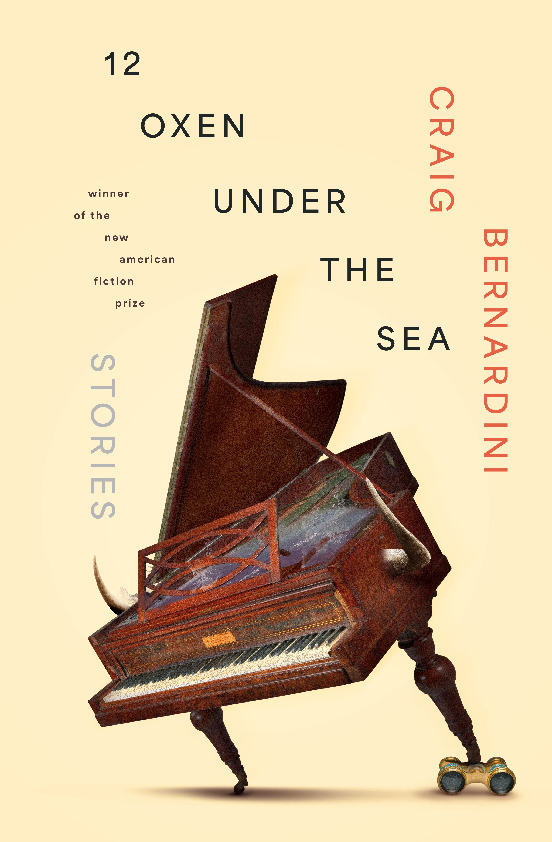
In addition to the NOR Contest-winners, we’re thrilled to present Rose Skelton’s essay “Fruiting Bodies” and stories by Craig Bernardini, Michael Carlson, Maria McLeod, Kaitlin Roberts, and Charlie Schneider.

Our Feature topic is Dance as Joy and Resistance, and we are proud to publish essays by Apoorva Bradshaw-Mittal, Mary Jo Firth Gillett, Therese Gleason, Sara Henning, Jennifer Schomburg Kanke, Christopher Kempf, Jesse Lee Kercheval, Hugh Martin, Sarah Nance, and Bonnie Proudfoot.

Our featured artist for the online presentation of issue 35 is Mateo Galvano. https://www.mateogalvano.com/

We hope you enjoy Issue 35, which you can order by visiting our online marketplace. Or, read selections of it by scrolling down.

Thanks for reading,
-The Editors

Of A Million Earths

By Susan Browne

One million earths could fit inside the sun
The thought of a million earths

makes me want to be a bee falling asleep inside a flower
It’s a fact: sometimes while gathering nectar bees get tired

& put their three pairs of legs over their five eyes
to block the sun which is halfway through its journey

of ten billion years
My mother loved sunsets at the beach

I remember once in Santa Barbara
our chairs close together on the sand

There’s no way to fact-check this
or that we chewed Juicy Fruit gum

& talked about things we’d never shared before
or that I kept looking at the freckles

on her knees because they made me
feel peaceful as a bee dreaming inside a dahlia

A billion years since that day with my mother
or seems like it

Her middle name was Marie
I brought a boombox to the church to play Ave Maria

A cold morning although the sun was shining
on the only known planet in the universe where life exists.


Read More

Small Project

By William Wenthe

Two autumns ago, after our home
had broken up, my child and I
were left in a rugged way. If I were to paint it
with tempera on wet gesso, on a wall
in some palace chamber, it would be
a man carrying his daughter
who is holding a lantern for him.
This autumn we are settling in
to a new house; but that same pain—as if
the season, not us, were remembering it—
comes prying. Today, the same day
I begin the pills I’ve asked
the doctor for, whatever space
in the mind they might afford, I’m starting
a small project, a simple rack
for my daughter’s closet. It’s a habit
of making things, passed to me
by my father, but scant measure
to the skills of the man who made
a perfectly scaled four-poster bed
for a sister’s doll, as well as the life-size
bedroom where for years I slept.

Looking for a layer against
the season’s first chill, I reach for
a folded sweater on the high shelf
of my closet, one I’ve never worn before.
Though it’s thoroughly worn: shot-gunned by moths,
a ragged suture I sewed where the V-neck meets
the breastbone. It was twenty years ago,
this time of year, beginning
of the season for sweaters,
my father died. How strange now
to feel this sweater he wore, one
that I remember him in, cling to me
tight as old clothes I’ve outgrown.

Still I keep it on,
something I’ll work within
like this house where we now live,
with room for the two of us, but
small enough we have to imagine hard
how best it can be filled. Which is why
I’ve sawn a white pine board,
and will sand it, varnish, sand again;
and measure and drill, to fix the hooks
to hang the jackets, hoodies, and her prized
cow-print pajamas, now floor-strewn
like debris flown from the bed of a pickup.
She may or may not pick up
on the idea, also passed down, that one small thing
works into another, larger one: a jacket
on a hook, a hook on a board, fastened
to a wall holding up a roof, enclosing
the ongoing, unfinished project
of a house. The work, the daily intentions—
and the luck (all the apartments shelled
to ruins by one-eyed missiles)—the luck
to even have any of this—
careless, rich, flamboyant chance.


Read More

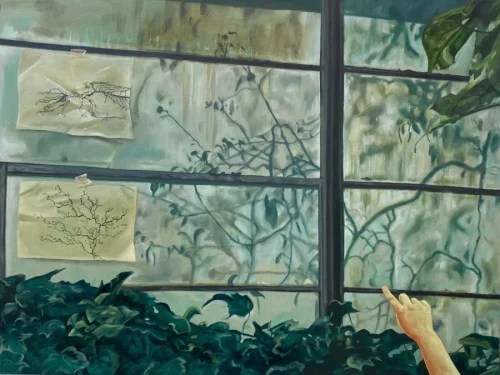
Featured Art: “Figure in a Dream” by Mateo Galvano

Kids Running After a Car

By Hee-June Choi

after the Korean War

Asphalt covered half the street; the rest was
overgrown with sunberries we ate. At the sound of a horn,
we ran to the car; in its bluish smoke, we saw
our future like a 3-D film. When my friend

JC tied his feet to the back bumper of a jeep
to sneak a ride, its engine started;
market people screamed as his bleeding head
was dragged for a hundred yards.

Our most daring venture was to the mountain cave
to dig out bullets for spinning tops’ axles.
But we had to cross locals’ territory––my forehead
still bears the scar of a thrown stone.

These road brawls ended when someone
in the cave shouted: Corpses!—soldiers in a mass grave.
Yet, those were carefree days. Dropping by any house
at mealtime, I ate with them if they laid me a place

—if not, I played next to their dinner table.
House doors were left unlocked:
what thief would steal an empty bag of rice?
In summer, we slept in the public pool’s storage shack,

no parents looking for us.
It was the children’s utopia: what we didn’t have,
we didn’t need. Even now, walking my suburban street
late at night, I snoop around for remnants of those days:

that sour tailpipe smoke must be a shimmer
in the air somewhere on Earth.


Read More

Nazarene Dream

By Joanne Dominique Dwyer

I’m walking in the forest with the mythic and shirtless Nazarene.
He juts out his chin, orienting me to birds in the sky.
He does not name them, but says Mira, they are inside you.
Next, he gestures toward the silver fish glinting in the stream,
     also nameless, incandescent, gilled.
He is wearing capri-length drawstring pants and prison crocs,
admonishes me not to trust experts.

I am looking for signs of scars on his back, when he staggers
and trips on a rusted can in the switchgrass.
He confides he is saddened priests have lost the proclivity
    for contemplating constellations and cultivating orchids.
Says how pathetic it is that he has seen priests sitting at slot machines
    chain-smoking, looking more like saturnine wax figures
than supraliminal men (at or above the threshold of consciousness).

Jesus senses my hearing is waning and moves closer to me.
Close enough that I feel strands of his hair brush against the bones
of my cheek and the lobes of my ear as he says, Most humans
are unaware that seed pods make a pact with the wind
to aid in the proliferation of beauty. And semantics relates
not only to semen, but to the spinning of hand-dyed yarn.

As I walk behind him, I stare at the contours of his sweat-luminous,
bark-colored calves as he climbs over barren boulders.
No one in their right mind should expect much
    from marriage to another human being, he adds.
Then, straightaway, we are standing in a grove
of chokecherry, the velocity of the wind is mounting;
    afternoon shadows are lengthening. 

Together, we ingest handfuls of wild cherries.
They look like oxblood marbles or the bloodshot eyes of martyrs.
    I’m getting cold in the high altitude.
I ask him how to safeguard against incessant rupture.
    Unhobble the horses and sing the old songs, he replies.
And how to forgive a priest?
He does not swivel his body to me, seems isolate.
A soundless blackout ensues.

And just before the dream extinguishes,
Jesus wipes the smudged mascara from the cage of my face—
angles his torso down like a four-legged animal
pawing the earth and unlaces my combat boots.
Then re-laces them tighter, as if to protect
    my ankles on the descent.


Read More

Self-Portrait After Three Years in Outer Space

By Michael Derrick Hudson

My bones thin to slivers inside my filthy rig. I’m the wheezy ghost
haunting a plastic suit of armor, the unshriven soul

expiring within an infidel. My dreams run antiseptic, anachronistic
and celibate while the past keeps unspooling somewhere

behind my pineal gland. Screws loose, I make up all sorts of stuff
to tell them, happy things with a convincing kink

of lonesome. They say it’s for the greater good as my DNA chars

like bacon at the edges and a universe tumbles past my bulletproof
porthole. A mechanical lung, a toothpaste tube supper,

the chemical toilet where every one of my clods gets categorized,

bagged and sterilized. I perform my tasks upside-down, tapping
an antiseptic keyboard or watering my million-dollar

seedlings and teaching a herd of space worms zero-gravity lessons
of reward and punishment. Mission Control applauds

these efforts remotely, electronically. On cue, I’ll smile for the kids
and urge them to work hard and stay in school, reading

with a pixilated grin from an inviolable script
plugging science, math, the digital approach to all our catastrophes . . .

But off-camera I coin better names for the Mission: Jugged Chimp.
Scrubbed Purpose. The Immaculate Reduction.

Canned Epiphany. Celestial Funk. Deficit Boondoggle. Minerva

Shrugged. Apollo Wept. My apostasy runs Ptolemaic, heliocentric,
chthonic, wrong. Patched-in and monitored, salaried

and pensioned, my pulse ping ping pings. I’m the life-support blip
on a faraway screen, another protocol, another

something else evaluated, budgeted, and all gotten down to a science.


Read More

Heaven

By Michael Derrick Hudson

Almost everything got in. Even the dinosaurs stomp around
the hot tubs and gazebos, haloes shimmering over

their massive intelligent skulls, grunting Alleluias. Atheists

made it too, although they have to wear little red beanies so
we know who to gently tease for corporeal

hopelessness and infidelity: Cheer up, Christopher Hitchens!

After a while, you grow used to the bliss: not once twanging
the wrong note, lathering and shampooing

each other, sexless, in tepid frothy pools of serotonin, loving

equally each one of my great-great-great-great-grandmas and
second cousins twice-removed and each one

of my dead cats taking turns to rub, purring,
against my hairless ankles. Princess! Plato! Hodge-Podge!

Rubber mice. Mandatory self-esteem. Beauty locked
in perpetuity. The standard-issue smile. The perfect Boss . . .

So mostly I like it here. The reassurance
of the unambiguously blameless, the expulsion of froideur

and doubt. It’s perpetual sunrise over a greeny-green garden
where our only lion pads by, obliged to nuzzle

our celestial lamb chewing its celestial cud. But no flyblown
scat, no blood-stained tooth. No hangovers.

No broken hearts. Sure, sometimes I miss a liony feral glint,
an unappeasable urge, the gross sentimentality

of loss. Sometimes I just want something careworn, regretful,
dilapidated, or stupid. Sometimes you just want

to fuck with them. Today, I got a demerit for goofing around
when ordering lunch: scorched coffee, black as hell,

a day-old chocolate donut with sprinkles, a quart of rye, and

a very specific spring lamb on a skewer, half-raw
half-charred. Not funny! But in Heaven records get expunged.

There’re no penalties, no parole. There’s nowhere else to go . . .


Read More

It’s Like This Every Night

By Sally Rosen Kindred

Featured Art: “Acequia” by Mateo Galvano

Waiting for the elevator, you hear
the dark floors chime, you
hand over her pocketbook
and put on your gloves, you try
to convince her to get on
when it comes. You’re with me,
you say, and this is the only way
to get down to the ground
.
She doesn’t believe you,
probably because this
is not her blue coat and she knows
she is dead, which you’d know too
if you’d just wake up.
But you go on sleeping
like the fool
you are, folding your body
close to itself under
the heavy sheets, your hand
touching your own
sleeve, understanding
it’s hers, waiting for the doors
to open, waiting
quietly, like she taught you,
to go down and out the lobby
together into the
blue-white city
to see the snow.


Read More

This is It

By John Hodgen

Suffice it to say we’re all that we have. We’re tagged. We’re it,
despite the occasional monoliths that pop up in Nevada deserts
begging us to believe we host astral visitors or nascent iterations
of ourselves. All in all it’s pretty clear. It’s just us who keep showing
up, and who, given enough time to gather the shards and bits of our
thoughts, are trying, albeit admittedly, intermittently, to figure it out,
the it being this-messy-business-fix-that-we’re-in, this requisite
dog and pony miracle show. It’s in all our next breaths, our Where
did it go?, I had it right here
, the it that we’ve lost, that we held so tight
in the palms of our hands the way the prophet Isaiah says we are
held. The it long gone now, like eternity, like Puttin’ on the Ritz,
the itsy-bitsy spider, the Iditarod without snow. Heavy hits there,
though we know (do we not?) that children hold the half-lit world
in their eyes each night, holding out for one more Stuart Little,
one more peep out of us before drifting off in little candle boats,
planes and canoes, as if they’re in some children’s edition of Casablanca
in Sanskrit, with their letters of transit to infinite, immaculate sleep.


Read More

Poem For Emily Dickinson, Referenced Twice in Sophie’s Choice, and for Sophie, of Course, Hounded, Tormented on the Train Platform at Auschwitz by the Nazi SS Commandant into Deciding Which of Her Two Children She Has to Give Over, Consign to the Gas Chambers in Order to Save the Other, How She Chooses, as She Must, as Any of Us Would, Despite What We Say, for Saving One at Least From the Flames, Thinking, Cold, so Cold, the Glaciers, the Rivers of Our Lives Suddenly Shifting; and for Sophie’s Nameless ESL Instructor at Brooklyn College After the War, Saying at the End of Class Soon You Will All be Speaking English in Your Sleep, and Quoting Emily’s Poem About Death Kindly Stopping for Us; and for Sophie’s Classmate Whom Sophie Asks to Tell Her the Poet’s Name Again, Who Says, “Émile, Émile Dickens”; But Most of All, This Poem is Not For, is Decidedly Against the Assistant Librarian, the Shame of All Librarians, the Condescending, Supercilious Prig Who Tells Sophie She Must Mean Charles Dickens, the 19th Century British Novelist, That There is no Such Poet as Émile Dickens, Causing Sophie to Faint Dead Away on the Library Floor

By John Hodgen

Plead with me, pray for the real Émile Dickens, unknown novelist/poet/autodidact, that he be found,
culled, called from the lost regions of the unimagined dead, with all due speed, by acclamation. May he be
remembered for saying that truth and death are a woman disrobing in heaven and also in hell. May he be
hailed as laureate, as Sophie’s last choice. May his every word be revered, his magnum opus rediscovered,
The Chosen One, each word a new child with a soup bowl only asking for more. May he know no shame
nor dereliction. May his ranks never close. May he have all new clothes. May he be lauded for leaving
his bleak house, his hard times, for enduring all of our twists, for exceeding our greatest expectations.
May Death itself die like John Donne, like bloody Keats, hapless Chuzzlewit or faithful Micawber.
May it be that Death’s heartless heart yearns. May Death die in a library sumptuous, vast as Parnassus
among copper fields and forests of urns. May he die hearing there’s no such author as Life, that Life
is pure fiction, a story, a poem, that he must venture alone into a book depository, where presidents
and dreams are killed, where everything burns. May there always be a poet named Emily or Émile,
waiting at a train station, another train coming in, how it chuffs and begins, how one might glance
out a window for just a moment askance to see someone feverishly and forever beating the dickens
out of a poem the way Dylan dropped the lyrics to “Subterranean Homesick Blues” on oversized
hand-lettered cards with Allen Ginsberg standing in an alley in London outside the Savoy Hotel
where words and worlds coincide with everyone we’ve ever loved and everyone who’s died,
carriages pulling up to the station outside, hundreds of them, millions, on which we can ride.


Read More
Fruiting Bodies

By Rose Skelton

I meet Conor in the spruce forest. He whistles his whereabouts; I return his call. It’s mid-July and a mild summer wind breathes through the trees, a low moan that envelops us in the cool island gloam. I follow the sound and scour the ground for what mushrooms might be growing: summer chanterelle, puffball, deceiver. It’s the kind of forensic looking that I begin in July and don’t give up until the trees are naked and the hills are the color of rust. A fast, careful, sieving of images—birch leaf, tree root, crisp packet, coin—a longrange and close-up searching for the gifts of this Scottish island: the edible, the poisonous, the one in a million. The friend that took me two years to meet, though we lived in the same small town. The mushrooms he taught me how to find.

It is the first year of the pandemic and we have fled Texas where my wife, Nomi, has a job at a university, for the Hebridean island that is—was—my home. Nomi desperately wants a baby, has done for a decade, long before we met. She and I have been fighting about it for four years, as long as we’ve been together. But we are thirty-nine and forty-one now and it is probably too late. What do I want? I want not to argue about it anymore, not to have to go through the high-cost, low-chance medical procedures that I fear will rip us apart. I want not to have to choose sperm from a roster of men who claim to look like Tom Hanks. I want not to bring up a child in America.

Read More
Bloodstain on Storm Door

By Jeffrey Harrison

Featured Art: “Storm Window” by Mateo Galvano

That’s my blood, I’d wager, dried
on the white lower panel of the storm door,
having dripped from some small cut
as I came in from working in the yard.
Who knows how long it’s been there,
or how the drop became a mark
more singular and graceful
than any I could have made on purpose,

yet seems (as I bend down
to look more closely) considered
and spontaneous at once—
two quick strokes, one curving up,
the other down, like a figure rendered
by a calligrapher’s brush, with ink
from my own body, as if beauty might come
from even the slightest wound.


Read More