(a)rs poet(i)ca 

By Baylina Pu

Featured Art: “Stolen Beautyby Leo Arkus

I have been looking at images 
of AI-generated art all day. Something about 

the control in the brushwork 
mimics the delirium of a real artist, 

though what “real” means anymore 
I can’t exactly say. Lately I’ve been 

eating rice crackers at midnight 
while solving logic problems for fun, 

a bad habit.  There is something 
such that, if it is wet, then 

everything is wet.  I tell the robot 
to paint “Dream of the Red Chamber,” 

and it gives me a roomful of blood. 
How many photos did it dissect before 

it could make that? I mean paintings 
garbled into code, the way a prism 

reassembles light? I ask the machine 
to show me the fifth dimension: what I receive 

is a door. Its surrounding walls are made 
of something like stained glass, which spreads 

lattice-like across the floor and ceiling, 
like the brain of something more beautiful 

than a living thing. The colors shine metallic, 
though if you look closely the shapes 

appear distorted, confused. What is the robot saying, 
I wonder. Everything it knows, it learned from us. 


Read More

Aural Projection

By John A. Nieves

I used to believe in the tang of orange
Tic-Tacs—that it had anything to do
with oranges. That three bright sugar

pills in my child-hand could shine
up a dark morning. And they did. What
little magic. What’s so easy to miss

so much. I believed rainbows on
window dew hid tiny treasures, that sneezing
while saying someone’s name meant

they were thinking of me, that everything
I loved would stay forever if I took
care of it, if I did my part. I have almost

none of that now: the purple stuffed
rabbit, my two pet Siamese cats, my best
friend across the way, my whole

family. I used to believe music could
change the weather. I’m lying. I still
do. I still believe people attach themselves

to songs they love, creep into their choruses.
This may be literally true in the science
of memory. This may also make me

superstitious. But, O, when I sing
you, I can almost reach. There is no way
there is nothing there.


Read More

 Trying Not to Lump Together More Unknowns

By Matthew T. Birdsall

       “We know what we are, but know not what we may be”
                        -Ophelia, Hamlet, Act IV, Scene 5

Uncertainty looms heavy before sunrise.
Dark driving, she calls it, at 5:00 AM
to the hospital for her surgery,
when she mentions losing our dog,
Penny, a few months ago—
anxiously lumping together unknowns—
and I had trouble focusing
but I tried to turn the conversation around
with compliments—her outfit, hair, shoes—
but I shut down when she said,
It’s okay, Dad, I know that living is dying

Stuck in the white shock of her wisdom
I wanted to say something to redirect us
but I couldn’t decide whether
she was that conscious of her own mortality
or if she was just being a child—
redirecting gravity away from her upcoming operation
toward something more certain.

At the last minute, the operation was canceled.
As we walked out, my daughter took my hand
because she knew I needed it telling me she felt good.
She said she still missed Penny,
and she would miss her as long as she was alive
me too I said but holding back on diving deeper
trying not to lump together more unknowns,
as we headed home with just enough sun
to get all the way there without headlights.


Read More

Mrs. Love  

By Elisabeth Murawski

Featured Art: “Mr. Love” by Leo Arkus

An adult neither liked 
nor disliked, 

she taught music 
appreciation, 

played 78s of Verdi  
and Bizet. 

Teens in letter 
sweaters, we were 

the children 
she didn’t care 

to know. A thin 
gold band on a red- 

nailed finger 
declared she’d snagged 

a Mr. Love 
so long ago we  

weren’t even born. 
She seemed resigned 

as our parents were 
to not going  

anywhere, tapping  
her black shoe 

like a metronome 
while reckless Carmen 

goaded Don Jose, 
Radames and Aida  

smothered 
in the tomb scene. 


Read More

today which is hotdog day 

By James Lineberger

today which is hotdog day
at forest hill methodist i ran into
my old high school lit teacher
from the tenth grade
one of the great influences in my life and it really got to me
while i was waiting in line
to put in my order
and i thought about all the other
teachers i used to have who lived and died maybe never
realizing how much they
had meant to their students and here was
a perfect opportunity
to express my gratitude and not to just any teacher
but miss ruby herself but then huh oh
all of a sudden i thought ohmygod what if
my eyes were playing tricks on me
and it was just some little old lady
that somewhat resembled her so just to make sure
i went over to another former student
wanda she used to be wanda yow
i forget who it was she married but wanda
was one of the volunteers
who was bringing food to people’s tables and i said
wanda is that her is it really her
and wanda said oh yeah that’s ruby all right don’t she
look wonderful but she’s
deaf in one ear i think the good one
is her left but you better hurry
if you want to speak to her she’s already
called her grandson
to come pick her up so i left
my order with wanda and circled around
behind ruby’s table
hoping i could surprise her and leaned down
from the left side
with my face just barely touching her hair
which smelled my god like violets
a really refreshing smell
and there was something else some kind
of perfume from elsewhere and
i don’t know how it happened but i was already starting
to weep it was such a profound
moment for me
and my feelings damn near overtook me
but i managed to get it out even
though my voice was shaking when i said miss ruby
until i had you for a teacher
i didn’t know
what great literature was and i—
but then
i just ran out of words and out of breath
and as i started
to pull away
she reached her hand back and slapped
me right in the face
turning around
with a stare like she had seen a ghost
saying oh goodness jimmy is that you i thought it was
a brown recluse


Read More

The Skater

                                                                                                                                    —for Bam Margera
By Johnny Cate

Modus operandi: grace cut with chaos, every
drop-in a death sentence he’d somehow
skirt and skate off to nollie another day. 

If we got our hands on a burned Bam DVD
we’d play it until the player was hot to touch,
until every trick was etched into the mind’s 

fish-eye and we were sketched up
with strawberries trying to land one like him.
The kids who by high school couldn’t hit  

a heater pitch for shit or cared to run suicides
found a home in the sheet metal half-pipe,
a new American pastime and a hero in  

an unhinged prodigy. Jackass came later—
what mattered first was the skating, each
varial and crooked grind a live creative act 

that left like a vandal Michelangelo, bank
rails marked with paint, curbs darkened
with candle wax. But the rebellious aesthetic 

was just that—aesthetic. A sly disguise for the
same glory, the guttering flame of a single
God-breathed second. Under Bam’s feet,  

the deck spun like a plywood electron,
elemental and holy: 360 degrees of don’t-care
that would carry him to self-destructive stardom. 

Now, hardly a day goes by that TMZ wouldn’t like
to eat him alive, so I’m pulling up the tape,
posted by a stranger, just to see what I saw  

years ago on those long-gone discs: a man
risking blood and bone with total nonchalance,
his soul sliding recklessly, breathlessly diagonal. 


Read More

Down Jersey

By John Wojtowicz

Featured Art: “Pebbles vs. the world” by Leo Arkus

As a kid, I spent Saturday nights  
underneath this boardwalk, poking a dollar bill  
between cracks, pulling it back  
after luring unsuspecting tourists. 
Now I’m back around, fixing up a friend’s beach bungalow: 
paint-peeling and porch-rotting    
on the bay side of town.  
I’ve only walked the boards a few times 
mostly forgoing views of the ocean 
for beer-drenched nights at the Shamrock. 
Tonight, a thunderstorm rolls in  
and the preacher at the boardwalk chapel 
offers shelter to all but those  
with a still lit cigarette. 
Zombie Crusher and Terrordactyl  
don’t let lightening stop them  
from barreling over jumps made of beach sand 
but the amusement rides have ceased to amuse. 
The tram car watches me. 
I like riding the Sea Serpent with its upside-down  
and backwards thrills; 
how for that 1 minute & 48 seconds 
it’s hard to think about anything  
other than staying alive.  
I like the monster trucks too.  
The way they flatten.  
I put out my Marlboro and take shelter  
in the wood-paneled chapel  
next to a handlebar-mustached-man  
sporting a throwback Hulk Hogan  
t-shirt: Hulkamania is running wild, Brother. 
I think about how Dolly Parton  
made a spoof music video  
in which she married Hulk Hogan 
after reading in a tabloid  
that she was having an affair with a professional wrestler.
He’s got a headlock on my heart, 
it was a take down from the start.” 
For Dolly, it’s all fertilizer; she’s a western- 
wigged buddha two-stepping through life.  
For me, it’s been more of a hot-coal-  
hop-skip. The rain slows, thunder booms. 
I have no special someone for whom  
to buy a pair of custom booty shorts.  
I grab a beer before the concessions close,  
toss rings on bottles, land quarters  
on plates. The unbridled ocean  
gives me chills. I think about how sailors  
wore earrings worth enough  
to cover the cost of their return and burial,  
salt-slicked mariners 
with no need for gold hoops.  
I bend down to pick up a dollar that disappears
before my fingers can grasp it. 
I think I want to be buried at sea too;  
being decomposed by sea lice  
seems more exotic than earthworms. 


Read More

IN THE DAYS OF CHILDHOOD AND VIOLENCE —

By Shelly Cato

Featured Art: Notes and sketches from “Life as distraction as practice as discovery” by Zelda Thayer-Hansen

⠀⠀⠀⠀⠀⠀⠀⠀⠀⠀⠀⠀One Morning Before School

A tricorn hook pierced a night
       crawler before
       entering a boy’s
       thumbnail—
       the bone

At the same moment
      a grain of grit shifted
      into his mother’s left eye
      which remained to stick—
      twitch

On her cutting board
       apple peelings wilted—
       and the hound
       outside jowled
       ham fat 

Behind a shed
       seldom used for skinning
       the boy waited  
       for his school bus—
       nursed blood

from his thumb—believed
       in the way his mother
       arranged his lunchbox—
       believed he would live
       to open his lunchbox

that day


Read More

Hymenoptera

By Joanne Dominique Dwyer

This is not a poem about insects of the family Hymenoptera.
It’s not a poem about pounding nails.
It’s not a poem about flashlight tag.
It’s not a poem about famous writers addicted to laudanum.
This is not a poem about the burial of a baby raccoon.
This is not a poem about the core of the sun becoming unstable
   and everything going black and cold.
This is not a poem about the definition of Hymenoptera.
Hymenoptera: derived from the ancient Greek words
hymen and pteron—membrane and wing.
This is not a poem begun in silence.
Before dawn the wolf dogs howling inside the pen.
And a 5:30 am text from a man who says another man
entered his bedroom while he slept—
   and a threat of beating the intruder to death.
This is not a poem about cannonball splashing.
This is not a poem about the softening and weakening of bones in children.
It’s not a poem about parachutes
It’s is not a poem about being born in a field of horses.
This is not a poem about oxygen.
It is a poem about the migration
   of ruby-throated birds and the effects
of artillery on tongues.


Read More

Acquainted with the Night  

By Erin Redfern

Featured art by Jordyn Roderick

At the all-girls school they taught us  
don’t fight back: the rapist might get mad.  

Against my will, I remember this  

when I need to take a walk to clear my head.  
When I fear the sound of feet, a distance  

closing. When I drop my eyes in passing,  

my neck for decades bending. On the train  
a man asks me what I’m reading. Show me  

the Great American Writer; I’ll show you  

a man who finds by walking out alone 
what freedom is,  

and, so, America, I want to be  

the kind of woman who walks into night,  
a fine rain, her own thoughts.  

If at dusk I hear a clutch of cries 

and rush of wings from powerlines.  
If I love a spread of stars, dark wind in trees. 

If walking is a bodied way of thinking. 

If I love a subway map, a screech of trains. 
If walking out and back intact is luck. 

If I have been a long time without thinking. 

If I wanted to go there by myself

thinking. If I just wanted to go somewhere.  


Quoted phrases and lines are from Robert Frost, “Acquainted With the Night”; Judy Grahn, “A Woman Is Talking to Death”; Kim Moore, “On the train a man asks me what I’m reading”; June Jordan, “Power”; Lisa Shen, “Sixteen Seconds”  


Read More

The Registry

By Dustin Faulstick

They had been together ten years when they decided to get on the registry. They had been to a wedding over Labor Day weekend and realized that all of their stuff was shit. They decided, as anyone would, that they might as well collect what they deserved. It started as an adventure. One of them wanted a knife holder. One of them wanted a blender. They had always both wanted a cast-iron skillet. It went on like this until one of them wanted a kitchen organizer. We don’t need a kitchen organizer; we’re not toddlers, one of them said. That one removed the kitchen organizer from the registry. The other one removed the down comforter from the registry: it was a tit-for-tat. It went on like this. Occasionally an item was added, but mostly items were removed: the electric drill; the waffle maker; the geometric-patterned area rug, one of those coffee cups that keeps itself warm. Once there was nothing in the registry, they started in on the stuff they already owned: a broken-down bicycle, a Don Quixote-themed fork-and-spoon wall decoration, a plastic Adirondack chair held together by duct tape. This, too, became a      tit-for-tat: an Ikea shelf from one of their sister’s college dormitories, license plates from the states where they used to live, their hospice plants on life support. It went on like this until there was nothing left. 


Read More

It’s Better This Way

By Madalyn Hochendoner

When a potato you’re frying
hops out of the pan
into the unknown space
between the wall
and the oven
you know it’s gone
forever.
And sure you could
get the broom
and do a blind sweep,
see if you could rustle-up
more than a disturbing
amount of hair,
but you won’t.
At least not today, but really
not ever
because you’ve already moved on.
The phone rings, it’s your dad
telling you you need
to pick up
the snowshoes
for your trip
and he’s making
white bean soup
with the ham hock
he’s been saving
in the freezer
for this moment
said he thought
he could throw it in
whole
but mum said no
no you need to cut it off the bone
and he sees now how right she is
sees now that it’s better this way
like the beans he soaked overnight
you still have to cook them he says
I say yes, I know, the soaking
only reduces the cooking time
but what I think he means is
separately, you still have to cook them
separately from the rest of the soup
which is another truth. Now,
it’s tomorrow and I’m thinking
I need to ask him how
the soup turned out.


Read More

Blood Moon Blues

By Johnny Cate

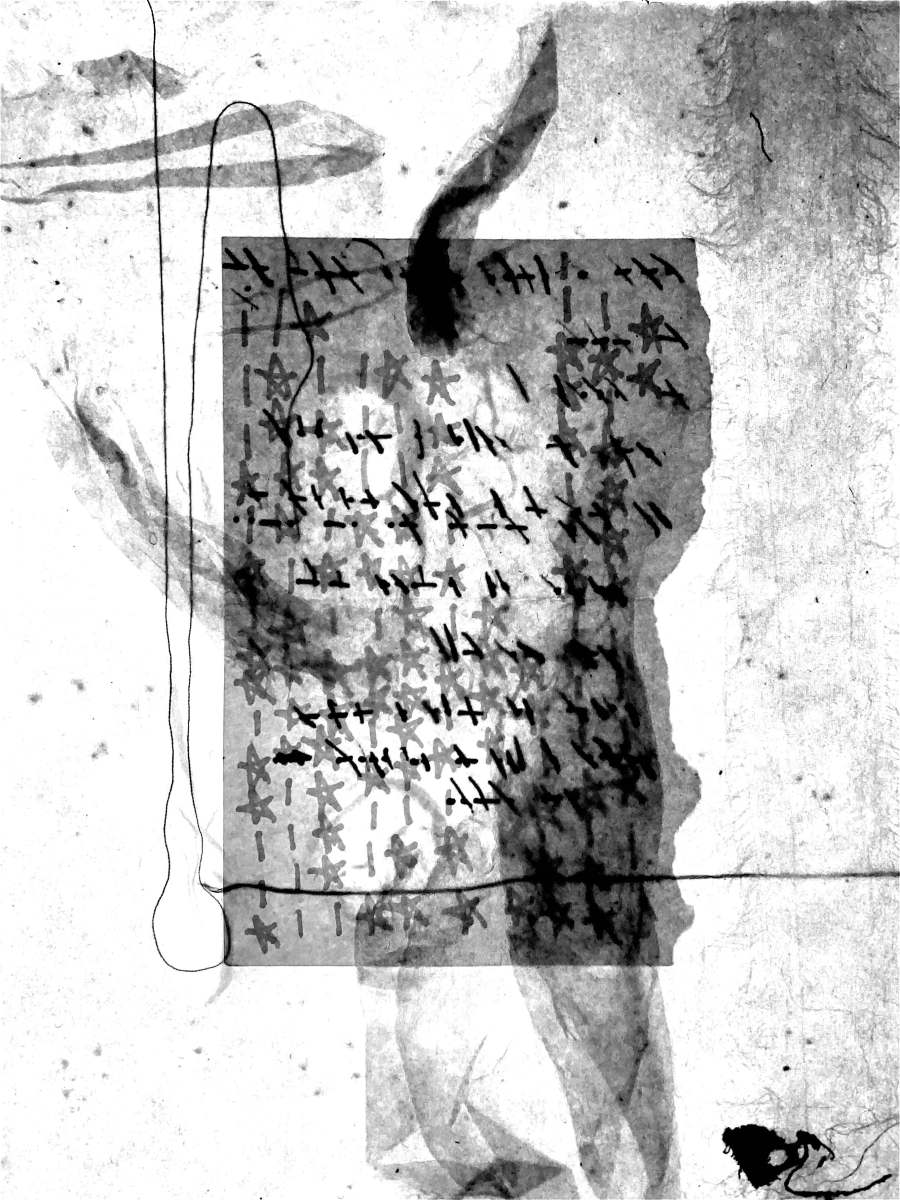
Featured Art: “Choreographic Translation,” black and white scan of choreographic
notation encapsulated in hand-made paper, by Zelda Thayer-Hansen

    Post-punk November puts on
  her black lipstick in the year’s mirror.
Eye shadow and zygomatic rouge

    give time that Bauhaus cool: we’ve all
  got it coming—who cares?
Death’s inevitability

    means as much to me
  as the bone-dry bottle of pinot noir
I drained solo under the blood moon—

    gonna die and soon, soon.
  So what? You won’t see me cry.
I’m deep six, baby—crystal-iris wastoid

    in a white feather bed, voices in my head,
  yeah, born doomed but it’s no
business of mine. I’m

    drawing the blinds,
  thinking about a girl in leather,
last name Jett slash first name Joan—

    throw out your lame zodiac, loser,
  and repeat after me: I don’t give a damn
’bout my bad reputation.


Read More

Feeling Sorry for Myself After Failing to Tame a Unicorn 

By Michael Derrick Hudson

At first it was sublime, all her medieval tapestry qualities,
her plangent, gracile profile against a field

of heraldic green, the silvery trill of her neighs. My life
has purpose now, so I told myself happily

shoveling fodder and greasing the tackle. An obligation
to myth and legend, so I told myself, 

is worth the hassle. So I showered and shaved every day, 
expelled vulgarity and embraced the necessity

for an orderly household. And yet she still craps the halls,

and crap is crap even when it shimmers like the rainbows
on an oil slick and smells an awful lot

like butterscotch candy. She’s moody! And an incurable
insomniac keeping me awake gobbling stardust and

moonbeams in the middle of the night, her dainty hooves
clip-clop-clip-clopping across the kitchen tiles. 

She leaves the refrigerator door open half the time, uses up
the ice cubes. Every day it’s something, poking

her narwhal horn through the porch screen or another divot
gouged out of the drywall. Come the weekend,

she inevitably lays her head in the laps of my lady visitors, 
pestering them to scratch her ears and 

pat her dazzling pure white withers while she knocks over
beer cans and ashtrays. Some Knight Errant

or another is always pounding on the front door demanding
proof of her existence, as if I’m the Fairytale Ogre

keeping her locked away. Ha! She hides the whole time
in her bedroom like a teenager, ear pressed

against the door. Everything I say mortifies her. She plays
the same sad Joni Mitchell song over and over

on her little portable record player and mopes at suppertime

and smudges eyeliner all over the vanity. And each morning
she reproaches me over waffles with her doleful 

little nickers, and I still have no idea how I got this so wrong.


Read More

Covenant 

By Baylina Pu

We were making mojitos 
in the kitchen when we found 
a  mortar and pestle made of 

Marble. With them, I crushed mint leaves 
and later, slices of lime 
four or five at a time. My friend 

Mixed in sugar, the water 
we’d carbonated ourselves, and 
white rum with a wooden spoon 

In a stainless-steel bowl. 
That evening, the sun was 
setting through the Japanese maple 

By the porch, and leaves 
had slid down the car windshield 
like paper cut-outs. I felt 

Grown up, a real woman. At dinner, 
there were eleven of us crowded 
around the table, beside 

A glass door which looked out 
over the lake, still unfrozen 
even in November. We licked brown 

Sugar off the rims of our glasses. 
My hands could still feel the weight 
of that marble mortar, an invention of 

The Stone Age. Even as early 
as then, happiness had already 
been discovered: simple movements of 

Grinding and stirring. Somewhere, desire 
was calling, but we were so deep 
in the woods nobody heard it. 


Read More

PORTRAIT OF LUCI (ON FRIDAY NIGHT)

By Johnny Cate

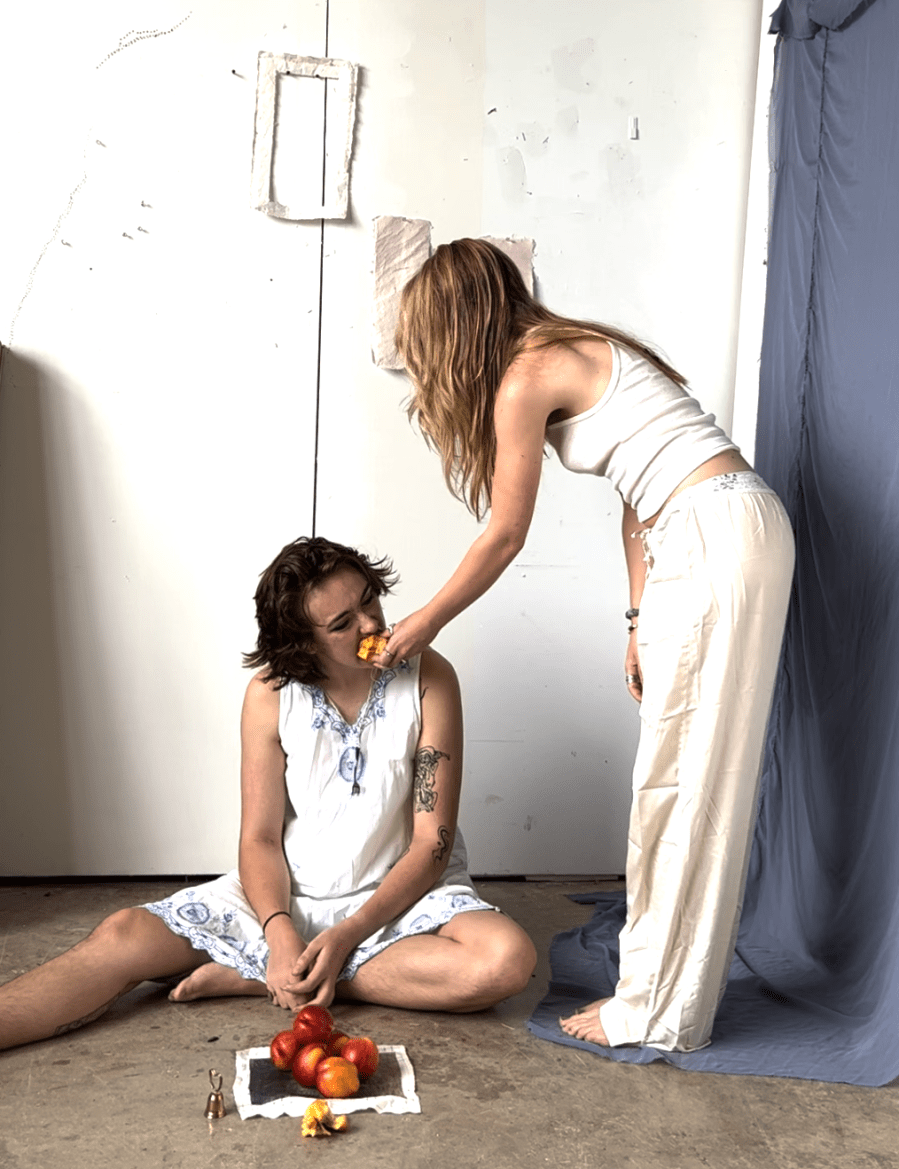
Featured Art: Still from “feed me stone fruits”, by Zelda Thayer Hansen,acollaborative performance with Isabella DeRose

She’s driving buzzed
but the PSAs call that drunk.
Soft swerve under a gibbous moon
ripe as a white bleb
ready to pop, subs banging
College Dropout. Baby blue
cardigan over a hot pink bra—
call it cotton candy Bubblicious,
messy pony strobing
in the passing streetlights.
Crimson lip’s been her thing
since something like eighth grade,
and in the dash-glow
it’s the deepest red imaginable,
catching the light as she raps
every word to every verse.
This is pretty girl privilege shit,
sweater riding up the small
of her back shit, black
and white rattlesnake boot shit.
If all beauty is truth and truth
beauty, her body’s sola
scriptura—spritzed with
“God is a Woman”, the latest
Ariana Grande eau de parfum.
The right tire grazes the rumble strip:
kiss of death but it’s a butterfly,
a literal vibe, and subtly
the whole car shudders, touched. 


Read More

Evergreen Oak

By Marie-Claire Bancquart
Translated from French by Claire Eder and Marie Moulin-Salles

Standing before these thick trunks that sow our wrinkles
in windbreak

standing before these leaves that persist
in the fuzzy gray-green of a caterpillar
complementary to our bloods

I uprise a contradictory forest

A tree
where the cool flow of water would saturate the sap
with a transience that we would find habitable.

I invent a species:
the short-lived live oak
so pleasing to say, it must exist somewhere.

Read More

California Department of Corrections and Rehabilitations: Dial 2 for Inmate Information

By Jeff Knorr

Featured Art: Winter Dreaming of Spring by Nancy Dick, Norman Calkanic, Kate Goreman, Patty Mitchell, and David Dewey 

What information could you possibly deliver—

            that he’s safe, that the kite he put in

                        for the GED has come through.


If you know the party’s extension you wish

            to speak to, you may dial it at any time.


To dial his reference number

            and have a phone ring in his cell.


Otherwise hold for a representative—


            Information, Officer Medeiros speaking.


Yes, Officer Medeiros, can you wander

over to dorm C, bed 211 

and check on my son for me?


Can you tell me what he’s been fed the last two weeks?

            Can you check if the light flickering

                        above his bed at all hours has been fixed,


            Instead I ask, is he allowed to

                        receive packages yet, new books?

Read More

Radiology

By Kim Garcia

Sitting on the x-ray dolly, gown fastened front to back,
steel girders propping the tracks of the x-ray cam,
resting in half-dark with a lead blanket
size and weight of a doormat over my belly
while the tech disappears behind the wall
and a light flashes blue and white,
then more waiting, every joint in need
of repair.
                   The cam floats over my body.
The tech touches me gently. He’s nearly bald
and pale in his scrubs. I sit up, hearing
a soft popping of cartilage as I swing
my knees over the side. Knee-capped
by nothing. I am so poorly
designed and executed that one might call
this incarnation accidental, unintended.
And against accident, what can I do but keep
intending?
                   So, bless the half-hearted pinging
of the Philips logo saving the screen.
Bless the lead aprons and blankets,
the plastic stretcher board hung
on hooks on the wall, the stacks
of towels and plastic gloves, the cream
and cocoa checkerboard tiles, the tech
with his soft hands in this cheerful wing
that promises nothing
                   the lame will not walk
                   the deaf will not hear

but more light
to see our suffering by.


Read More

The Good Life

By Susan Allison

The thing about good living

is that it happens, despite

plotting and planning, it happens

contrary to all devices. It happens

when you are renting the only room

you can afford and you somehow

catch the way the light is coming through

the broken dirty windows.

The door is open

and the wind blows in like balm.

It’s warm and you see the colors of the

faded gray frame of the door

against the rust-colored leaves

in the small patch of jungle

down by the alley.

The good life

comes through your eyes

and your ears and your skin,

the way a wild animal comes at you

when it is just curious.

Read More
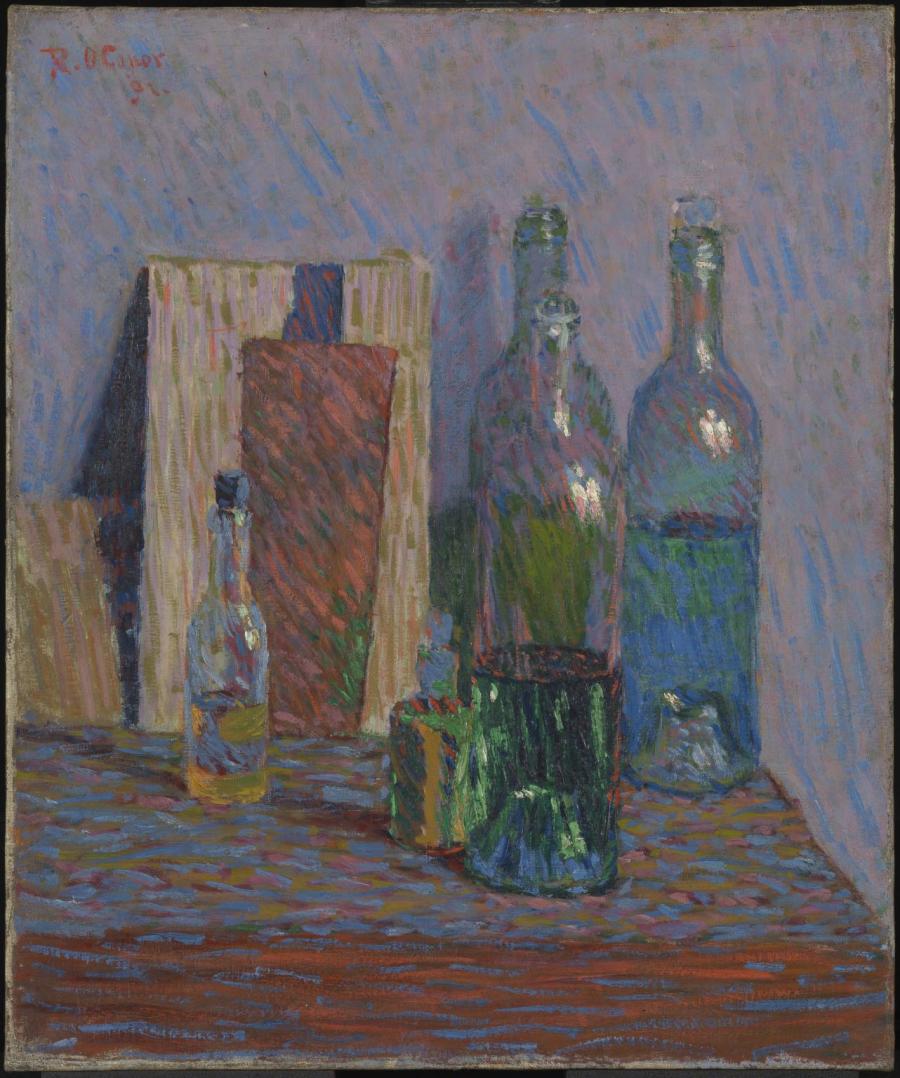
Revising Bosch’s Hell Panel for the 21st Century

By Kelly Michels

“Hundreds of couples toting AR-15 rifles packed a Unification church in Pennsylvania on Wednesday to have their marriages blessed and their weapons celebrated as ‘rods of iron’ that could have saved lives in a recent Florida school shooting.” Reuters, Feb. 28th 2018

They come wearing crowns of gold bullets in their hair, bodies drenched

in white satin, white lace, tulle, lining the pews on a weekday morning,

AR-15s in their hands, calling on god to save them. There is no

such thing as salvation, only the chosen and too few are chosen.

Children are told to stay inside, schools locked shut, swings hushed,

even the wind says, quiet, as the guns are blessed, dark O of mouths

waiting to exhale a ribbon of smoke. The children are told to crouch

in the closet, to stay still as butterflies on butcher knives

while the men take their brides and iron rods, saluting the book

of revelation, its scribbled last words, the coming of a new kingdom.

Don’t speak. Don’t breathe. Pretend you are an astronaut gathering wisteria

twigs in a crater of the moon. Pretend the twigs are the arm of a broken mandolin.

Someday, it will speak. Someday it will sing. Dear God, bless the self in the age

of the self, bless this bracelet of rifle shells, bless our god-given individual

right. I know you want to sing. You want to sing like blackbirds escaping

from the mouth of a grasshopper. But remember, we are only here

for a little while, so for now, keep quiet, pretend we are somewhere else.

Pretend we’re practicing our handwriting, the lollipop of a lowercase i,

the uppercase A, a triangle in an orchestra, the different sounds it makes

if you strike it the right way. Practice the slow arch of a R. Now—

form the words. Scribble run, scribble come, scribble mom, scribble when

will this be over? But for god’s sake, be quiet. Don’t cry. Just write. Scribble

on the walls, on your arms, scribble as if it’s the last thing you will ever say.

Pretend it sounds like music. And if the devil comes through that door, remember

to go limp, lie on the floor like a tumble of legos. Don’t move. Don’t speak.

Don’t breathe. Pretend you’re already dead. Remember, this is how you live.


Read More

American Bachelor Party

By Conor Bracken

Featured Art: Star and Flag Design Quilt by Fred Hassebrock

Here I am inside a firing range.

Loading and holding and aiming a pistol

the way America has taught me.

Hitting the paper target in

the neck the mullet the arm the arm.

The old-growth pines inside me

do not burst into orange choruses of flame.

I am disappointed I’m not making

a tidy cluster center mass.

Around me fathers and offspring

as plain as stop signs give

each other tips while they reload.

A man one stall over cycles between a revolver and a rifle

while another draws a Glock

from a hidden waistband holster

over and over again, calibrating

his shift from civilian to combat stance

with the dead-eyed focus of a Christmas shopper.

These could be my people.

If I never talked

about the stolid forest inside me

planted by those I do and do not know

who died because America allows you

however many guns and rounds you can afford—

if I never talked about my manliness

that runs cockeyed through the forest

trying to evolve into an ax or flame or bulldozer

so it can be the tallest, most elaborate apparatus

taming local wind into breath,

they might give me a nickname.

I could practice training my fear with them

like ivy across a soot-blacked brick façade

and they might call me The Ruminator.

Virginia Slim.

Spider, even.

We’d grow so close that they would call me late at night

asking for an alibi again

and if I asked groggily ‘who’s this’

they’d say ‘you know who’

and I would.

Their name blooming from my mouth

like a bubble or a muzzle flash.

A flower

fooled out of the ground

by the gaps in winter’s final gasps.


Read More
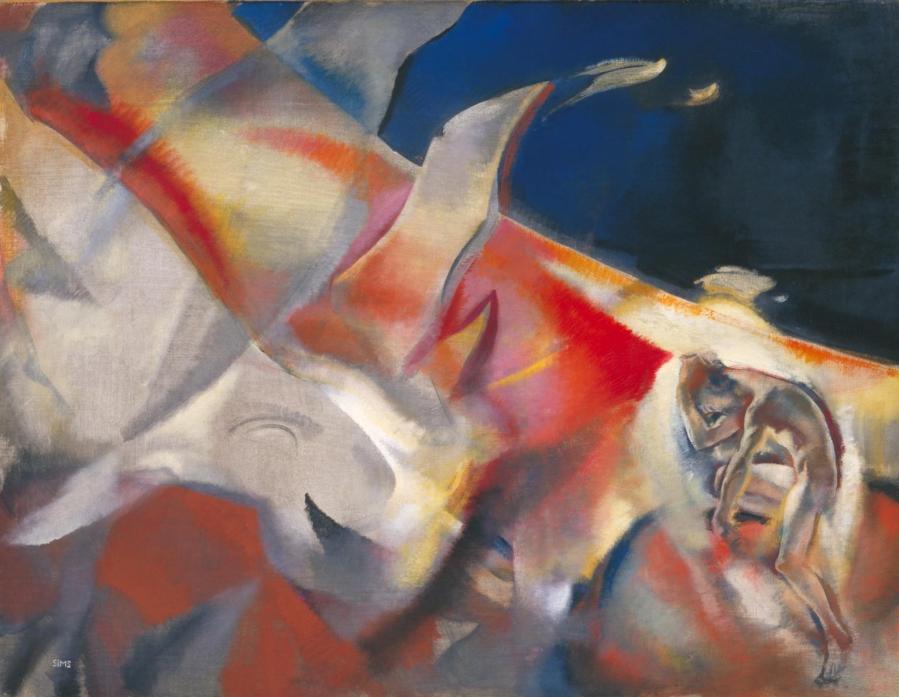
The Dock Hand

By Kathryn Merwin

this is a poem about losing things.

not a poem

for the boys who barreled their broken

bodies into the lightningwalls

of my body. for the knife

of let me       

in, baby, the trigger-finger

of let’s

go back to my place, just one drink.    

you, draining the blue

from my veins, dyeing

empty sheets of skin,

blue again, purple,

blue. the color

of healing of bloodpool

       beneath skin.  for the crushed

       powder in my jack & coke of

no one will ever believe you.

you’ll spend the summer in alaska

and we’ll both pretend

like we’re not losing

something.

you have no idea

       what i’m gonna do       to you.

yes,            I do.


Read More

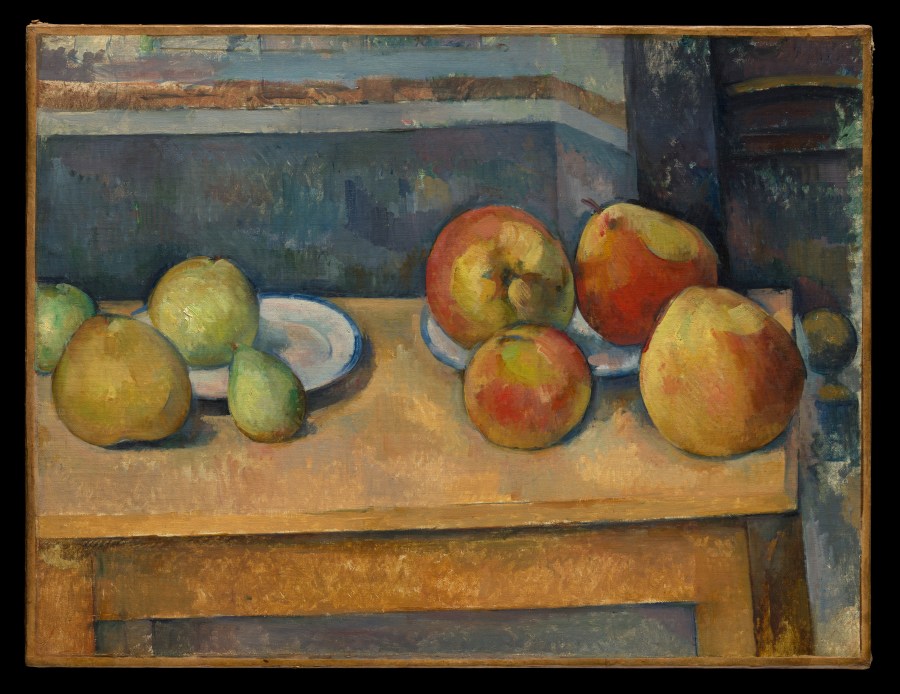
A Cure for Grief

By Emily Franklin

Featured Art: Still Life With Apples and Pears by Paul Cézanne

There isn’t one. But here is a pot of jam,

apricots plumped with booze, lemon rind, sugar—

the stuff of August evenings,

of dirt roads trimmed both sides

with heavy woods that narrow and finally

funnel to the ocean. To the house

on Buzzard’s Bay—deck built, rebuilt,

expanded and rotted, built again, everyone

toe to thigh on chairs, neither comfortable

nor attractive, scattered each afternoon

as we scrubbed clams collected in low tide

or painted rocks or read the paper

or stared out as though we knew it was always

on the verge of ending. Those nights,

jackknifed open with wind and visitors,

dinner not yet cooked, someone asking

someone else what was ready to be picked;

green beans knocking like wind chimes,

nubby new potatoes, the summer’s experiment

with asparagus that we wouldn’t trim—

each stalk pushing and protruding until it appeared

a new creature had clawed its way up from the earth.

Now I offer this: apricot jam from last summer

that we did not know was last. Your instructions:

unscrew the Mason jar, cribbed from the Cape pantry.

Each morning you will awake alone. This is when

you dip your teaspoon or knife into the jam

or even your piece of actual bread. No one is judging—

insert crust directly into jar. Taste the apricots.

For this moment have summer—

and him—back. The jar is large. So is grief.

This is what you’ll sample each day,

fruit slipping against lemon, and sugar, and time.

When the jar is empty, days will have been

gotten through, too.

The porch is rotting now, joists breaking loose,

everything undone as though he—and the rest of us—

are already gone, but let us be suspended

right there at 5pm, drinks in hand,

sun still up, children barely grown.

Eat the jam. This is all we have to offer.


Read More
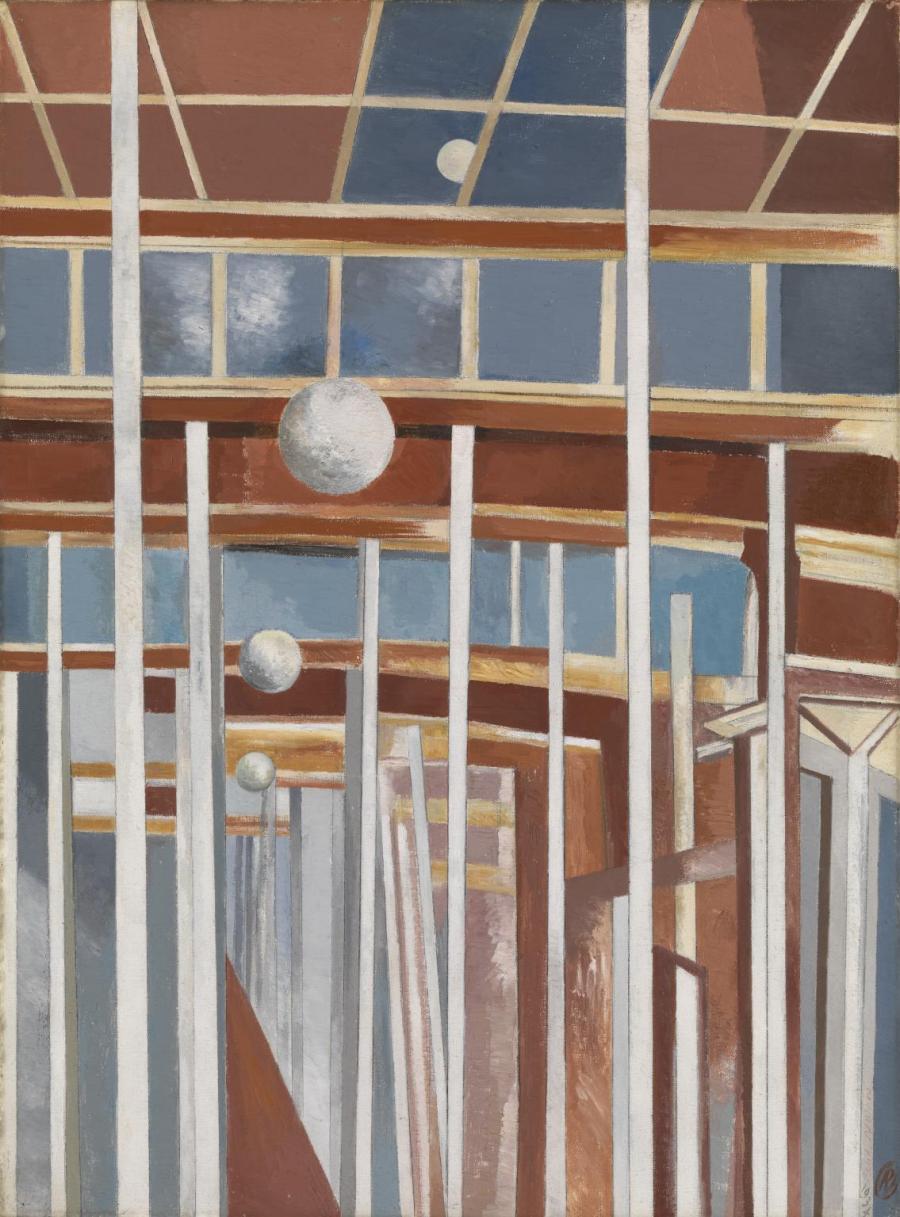
Heartbeat Hypothesis

By Robert Wood Lynn

As it turns out there is this silly trick to knowing how long you,

no anybody, no any creature will live:

divide the average lifespan of an animal by its metabolic rate

and you will get a number that is about one billion. That’s what we get,

about one billion heartbeats on this planet

one billion, a magic enough number and even though physics has struggled,

struggles and in all likelihood will continue to struggle forever to find

its unifying equation, here is biology’s, the kind

of surprise you trip over because it has just been sitting there all along,

like a golden retriever on shag carpeting, one already most of the way

through her billion and where she is joined by

the field mouse and the blue whale each getting one billion beats on Earth

unless someone or something intervenes and quiet now you can hear it

tick ticking away, your billion ticking like the kind

of clock they mostly don’t make anymore and once I believed that

in every clock there were tiny creatures moving the parts and now

I cannot help but know inside of these creatures

there are more parts marching even faster to the same number

onebillion onebillion onebillion and it can drive you mad even

billionaires go mad cartoonishly mad with the one

thing they cannot buy more heartbeats and they sit in a tube someplace

air-conditioned in Arizona their rhythm frozen while animated mice

power the clocks and calculators that keep this math

like a metronome:       terrible, free.


Read More

Sad Rollercoaster

By Jared Harél

Featured Art: The Great Red Dragon and the Woman Clothed with the Sun, c. 1805 by William Blake

My daughter’s in the kitchen, working out death.
She wants to get it. How it tastes and feels.
Her teacher talks like it’s some great, golden sticker.
Her classmates hear rumors, launch it as a curse
when toys aren’t shared. Between bites of cantaloupe,
she considers what she knows: her friend’s grandpa lives only
in her iPad. Dr. Seuss passed, but keeps speaking
in rhyme. We go to the Queens Zoo and spot the beakish skull
of a white-tailed deer tucked between rocks
in the puma’s enclosure. It’s just for show, I explain,
explaining nothing. That night, and the one after,
my daughter dreams of bones, how they lift
out of her skin and try on her dresses. So silly! she laughs,
when I ask if she’s okay. Then later, toward the back-end
of summer, we head to Coney Island to catch
a Cyclones game. We buy hot dogs and fries. A pop fly arcs
over checkerboard grass, when flush against the horizon
she sees a giant wooden spine, a dark blossom,
this brownish-red maze all traced in decay. She calls it
Sad Rollercoaster, then begs to be taken home.


Read More
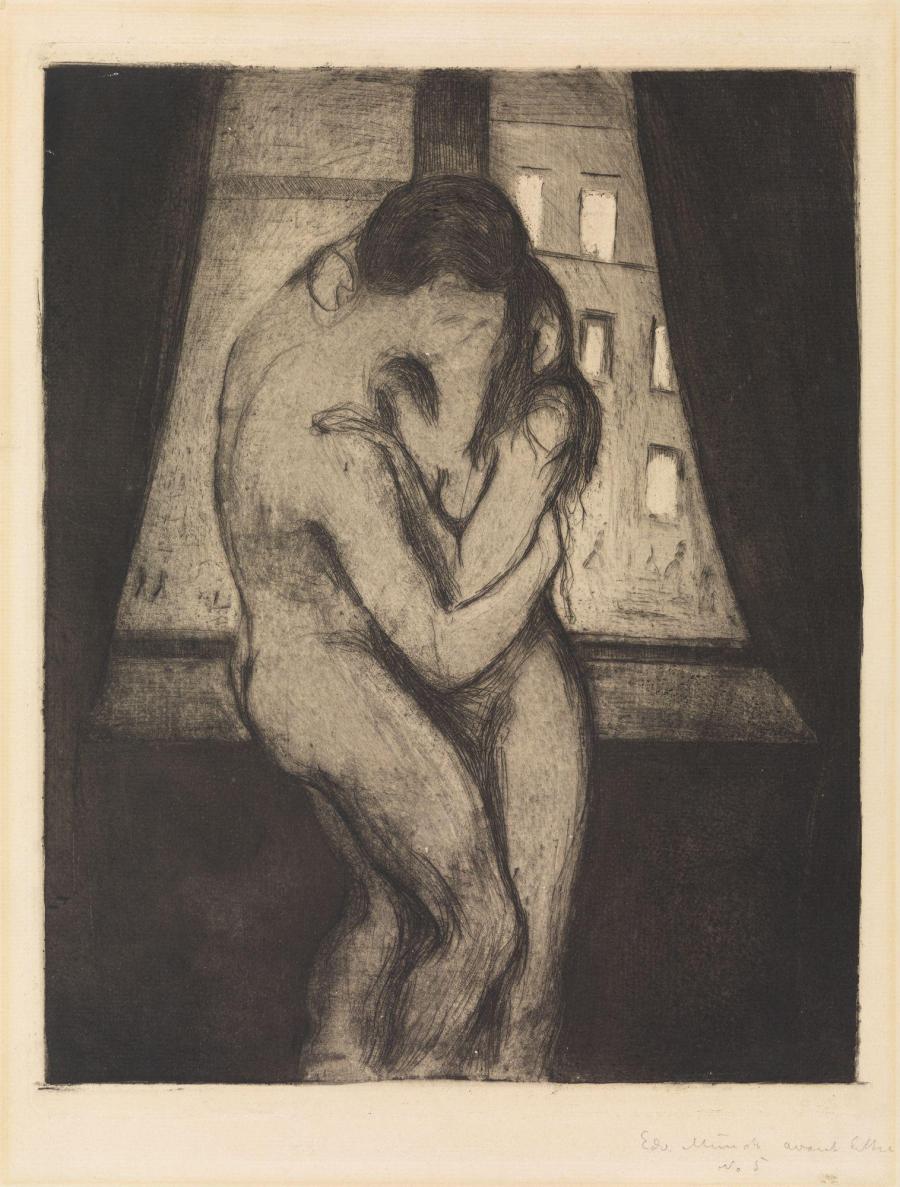
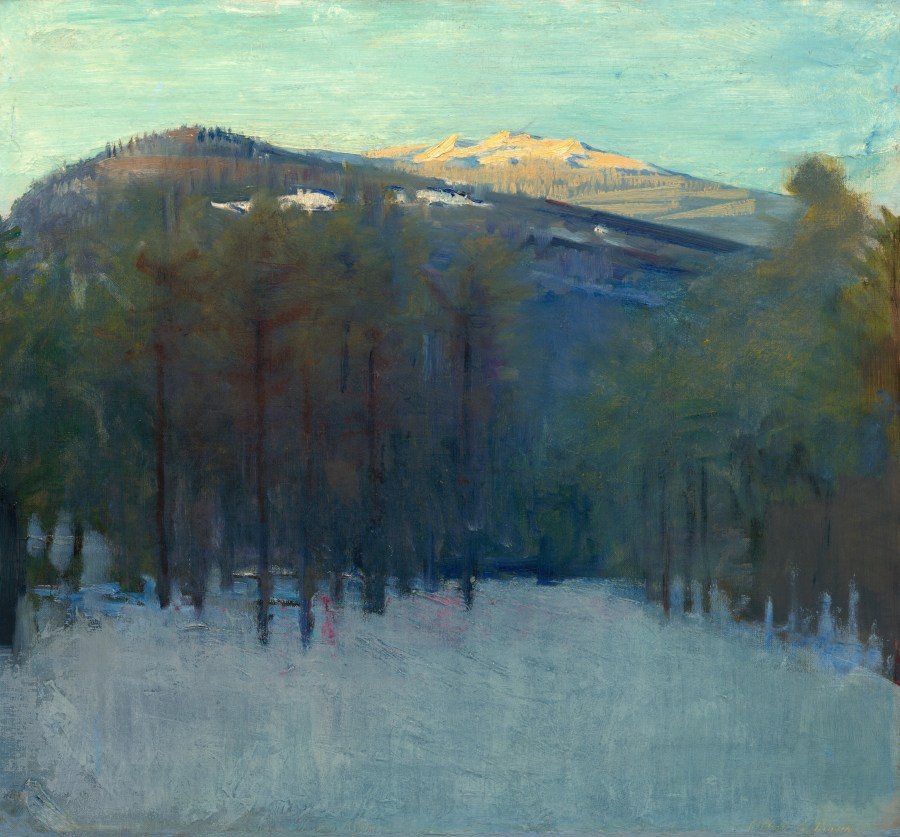
The Men at Snowbowl Teaching Their Daughters to Ski

By Henrietta Goodman

Featured Art: Mount Monadnock, probably 1911/1914 by Abbott Handerson Thayer

The first one is half a couple, young, their daughter
four or five in pink snow pants and a pink flowered
coat. They’re stopped at the top of the last long run,
skis wedged sideways. She’s made it this far, and now
she’s wailing I can’t do it I can’t do it I don’t want to
Almost everyone pauses before this sheer slope
gleaming in late-afternoon sun, this almost-vertical
descent that someone named Paradise. She’s sobbing
I can’t do it and her father says What do you need?
Do you need some fish? Do you need some T. Swift
?
He reaches for his phone and “Shake It Off” starts playing,
and he barks like a seal and flaps his arms and stomps
his skis a little like flippers, and she holds out
her gloved hand and he puts Goldfish crackers in it,
tosses a few and catches them in his mouth, and they
start down Paradise, her skis in a careful pizza,
her father telling her when to turn. The next one
is older, bearded, his daughter older too, high school
or college, hard to tell through helmet and goggles—
she’s silent as he coaches: drop your shoulder, now
shift your hips, now turn, drop your shoulder
.
I’m trying to translate his advice into something
my own body could do—toes curled in my boots,
skis crossed at the tips, poles flailing behind me
and sticking in snow as I skid toward the trees.
She’s making long slow turns; he’s patient, saying
over and over good girl in a way that means she’s
as frightened as I am and her goodness is his world
and is, to him, absolute. She doesn’t look at him—
she’s watching her skis as they glide back and forth
through Paradise, watching herself not falling.


Read More

Lisbon Haibun

By Melissa Oliveira

Fall in the Alfama district, and all the bright skirts float down the city’s aston-
ishment of hills. The surprise of verticality, the step-polished marble underfoot,
the sun reflecting up, and I am always already sliding, or else just about to
slide. I claw at the shopkeeper’s rack of postcards, pause to watch the lipsticked
London women in the glissade of new wedges with untried soles, to read the
graffitied stucco wall: pura poeta. Not all of us who fall seem to mind; only
yesterday, in a splintered tram, I stood behind a stern German who lost her grip
around a turn. When she caught herself, the stoic control of her face opened
into joy, her blue eyes dancing as she swung herself on the metal rail. When I
tried to meet her smile with my own, hers vanished. I moved to the rear to dis-
embark, the sudden brake shoving me into a sturdy old man who laughed and
asked me something in a tongue I do not speak, though the message was clear.
Listen, maybe falling is why we come here at all. Only the dark-eyed man in his
fine suit—he wore your face, uncle, looked the age you were when you died—
knew how to control the fall: loosen the knees, shift the body’s gravity forward,
and never trust the temptation to lean back. Remember: only the dead are so
surefooted they will never fall again. On the stucco wall, someone changed the
words overnight to puta poeta; as I notice it, I feel again the shift of my sole, the
tightening of muscles and think, for a flash, of the sacred duty of those still in
warm and breathing flesh: to always be falling, and willing to fall for the world.
My bag’s contents all around, the act of picking stones from the palm’s soft
flesh—this, too, is holy. And with my knees on the cobbles, I look up

       An ancient woman
       clips the wash to the clothesline.
       Crimson lace, floating.


Read More
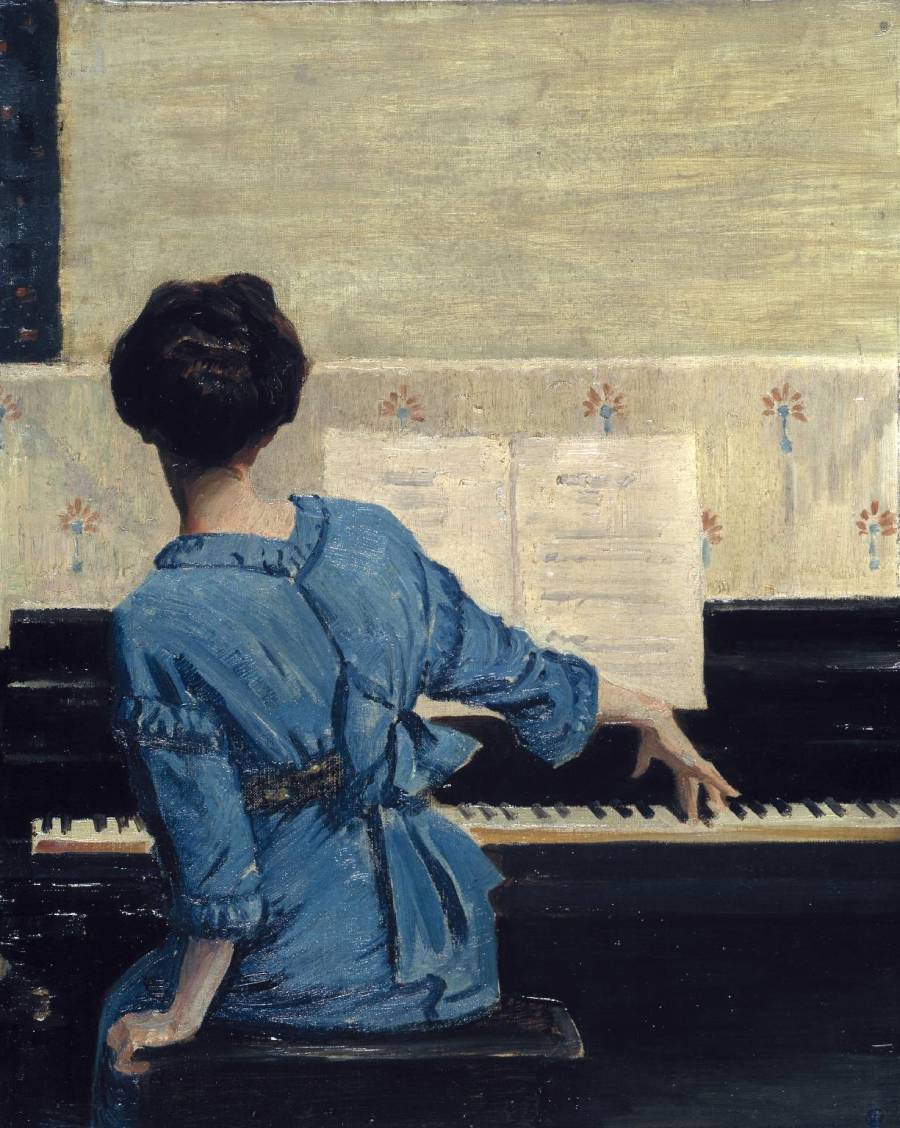
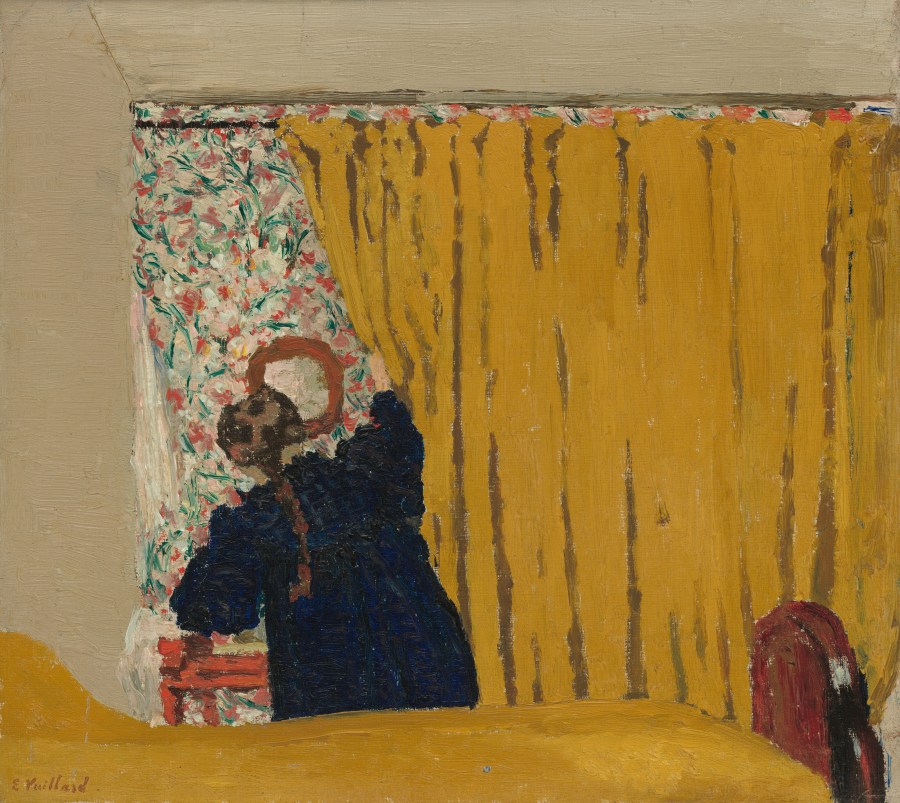
The Summer Before Your Birth

By Christine Fraser

Featured Art: The Yellow Curtain, c. 1893 by Edouard Vuillard

–after Sharon Olds

our girl we’ll tell you how it was then
how the lake spread out to the east of us
how we sailed out on it tacking and jibing
learning to round the marks
how we walked miles under skyscrapers
we could see no end we could have gone anywhere
a year later the city collapsed
down to our three rooms
all was the rocking and the crying
a bowl of black cherries
water in the tub
billowing yellow curtains
how quickly the city spun down
to you between us in our bed


Read More

From a great height

By Natalie Taylor

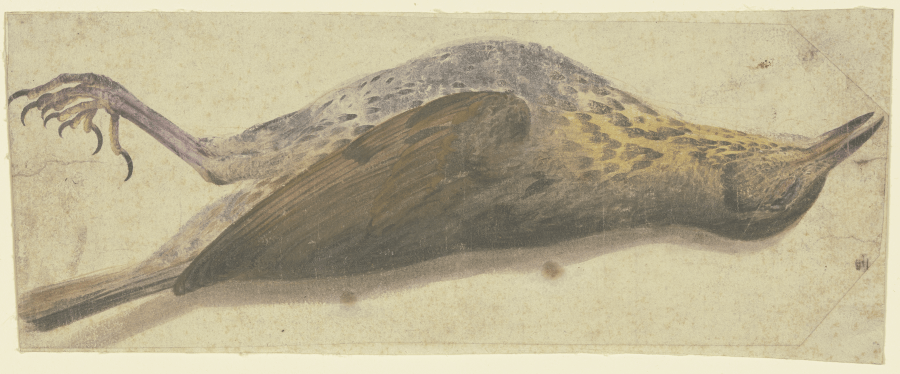
Featured Art: Dead Thrush, 16th Century by unknown artist

               I find the baby quail blown
from its nest after an early summer

               storm. Scoop the feathered dots
and stripes. Mom feeds it antibiotics

               mixed with wet dog food on a toothpick.
It tilts its head to one side,

               dark eye watching my face
as my sisters and I pray during

               the procedure. Since I am the eldest,
I am put in charge.

               I take it upstairs to my parents’ bedroom,
cradle the bird on my stomach

               and sink into their down comforter.
A plastic owl, hung from a redwood beam,

               swings from a squeaky nail
into the heat of that afternoon.

               I dream I am falling. Falling.
It takes so long to fall.

               Like the family prayers at 5 A.M.
followed by scripture study,

               then chores,
then school.

               When the ground rises up quick,
my hands jerk out to catch myself.

               I wake to dark feathers and sweaty
palms. Carry the dead body

               downstairs, offer it like a broken cup.
My sisters and I find a shoebox and shovel,

               soft dirt. A fistful of dandelions.
I am 12 and old and so I pray.

Read More

Goodly the Sum

By Julie Hanson

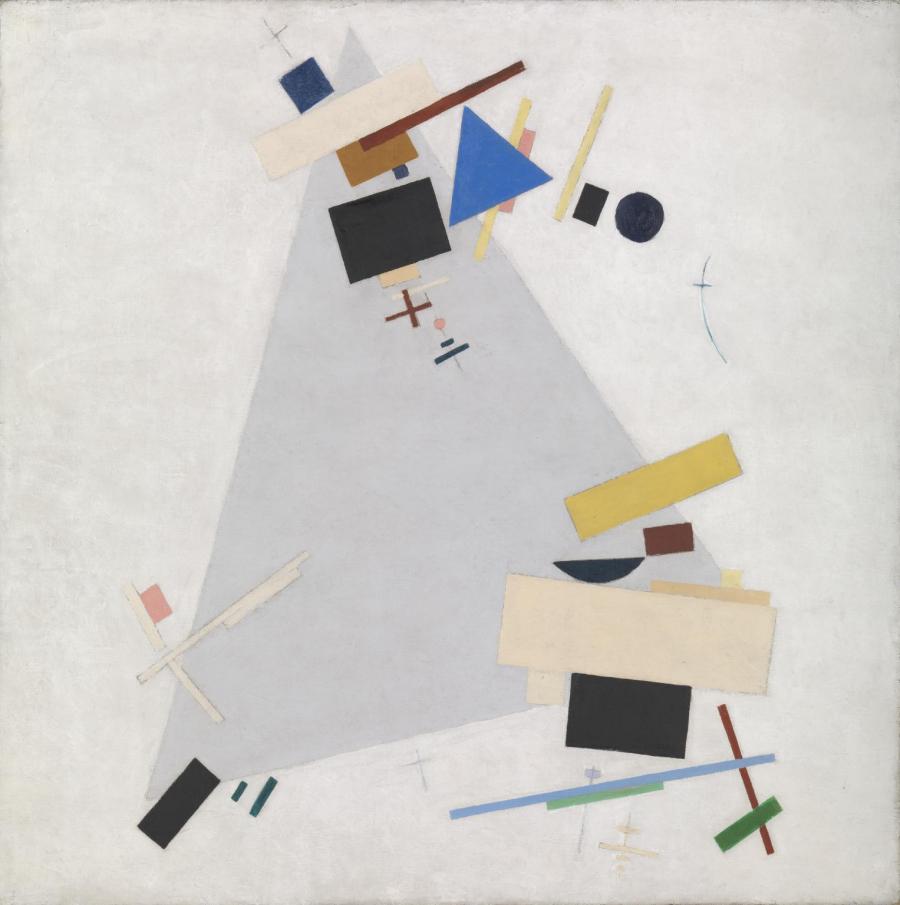
Featured Art: Dynamic Suprematism, 1915 or 1916 by Kazimir Malevich

We may intend well at the outset and persist
but much that happens
happens of its own accord.
We may awaken one day with but one bean left

but much that happens happens of its own accord.
You can set yourself right;
you can self-correct.
I have been changed greatly by things I have read.

And yet I don’t know how to do this simple thing:
lead another where it is best for me
for him to be. It happens sometimes, though,
mysteriously.

Maybe it’s a matter of pressure
or physics and moral equity, the combination
of any three things,
the planes are more aligned than we think.

When an explanation is provided, we don’t listen.
The mind will stop attending if it can.
I thought Algebra all those years ago
an exercise in patience;

little did I know that there’s a math
for each of us. For what was the present,
it was toil and struggle, try as one may,
try as one might,

the engine is flooded: variables
and integers, parentheses and coefficients . . .
and when I wondered why
the impact of History was outside of this,

Algebra gazed back at me, detached.
Surely there is no one left on Earth
who doesn’t love Bob Dylan, yet it’s possible that status
may not last. The mind will stop—

will stop attending if it can, and that’s got to be a problem
compounded by the plenitude of spam.
I received my first Christian case of such
on one February 26.

Read More

Virga

By Joyce Schmid

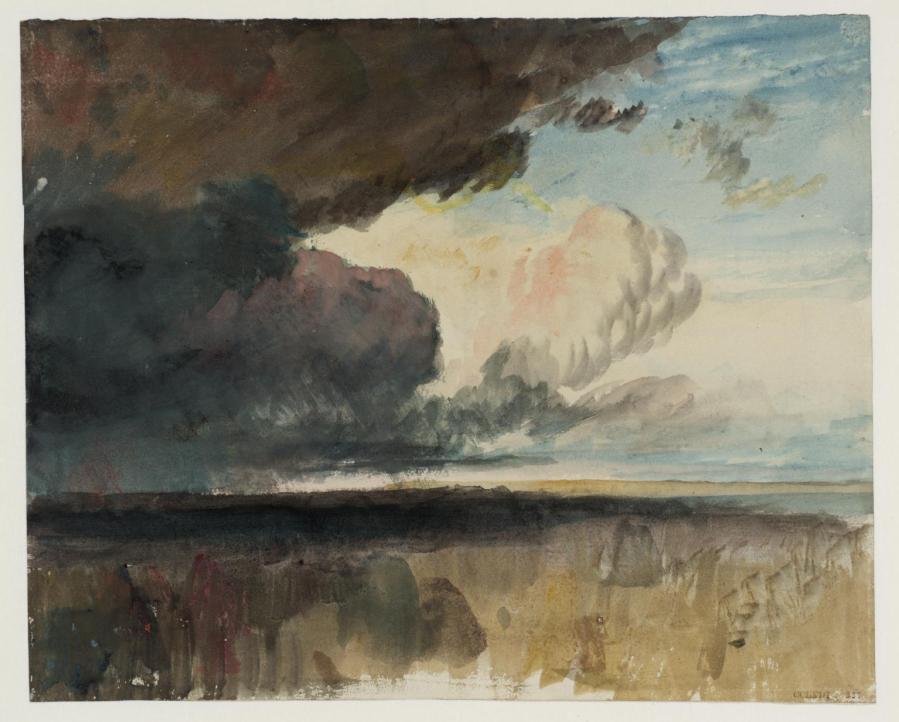
Featured Art: Rain Clouds Approaching over a Landscape, 1822-40 by Joseph Mallord William Turner

Driving to the baseball game on Highway 101,
we looked at cloudbanks, stacked in bands
from west to east, and in between
were cloud-threads dangling down as if the layers
had been torn apart—
                                          and this was virga
rain that formed but couldn’t reach the earth,
like words that evaporate as they come to mind.

We’d moved to California in a storm, before
the drought that forced us to save our water in a pail,
trickle it on tomato vines, enough for them to live
and leaf, but not to fruit.
                                          You grew impatient
with the traffic, and I touched your hand in gratitude
for the high fly balls we were about to watch fall,
for idling motors and the Bach cantata in our car,
its trumpets turning gold to match the clouds—
those lavish clouds that tried but couldn’t rain.


Read More

On the First Day That Feels Like Fall I Think of Her Then, the Age I Am Now

By Beth Marzoni

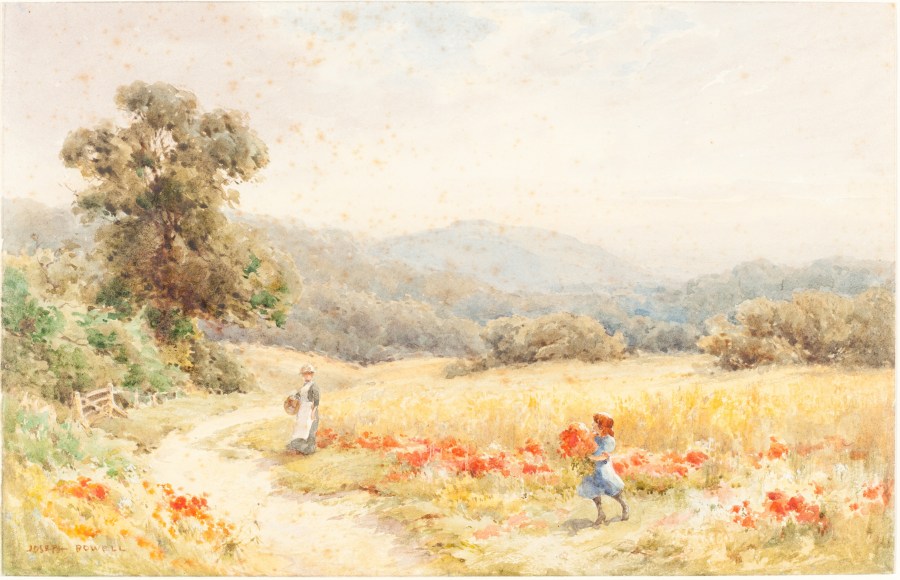
Featured Art: Summer by Joseph Rubens Powell

& that restlessness
I barely registered
as a child, that we outran

or tried to, now & then,
the mountain roads,
Mom & me,

& in the mouth
all sap-weep.
All gum-fingered:

ponderosa & lodgepole
& limber & blue,
some summer-gutted

but not beetle-battered
yet—another century. Mostly
we went for the aspen

& the sky—a tarp
trying to hold together
what was named

for shaking apart.
The species there
all verb-called—

quaking, trembling—
though I thought
What the Light Spills.

Read More

What If We Wake Up Dead

By Jennifer Sperry Steinorth

what if we plant roses beside the shed
what if we paint the living room a muddy incarnadine
what if you go on a diet
what if we go to Paris
what if the dog’s ghost follows us      when the house is sold
where will we go      when the house is sold
what if we try talking
what if I could be nice
what if we have to move in with your mother
what if we could be honest about the weather
what if   like a father      you get up only to leave the room
what if   like a mother      I speak only in other rooms
what if we redo the kitchen and you become a pastry chef
what if we move to Phoenix
what if I smash the Lennox
what   if I drive away         what is good
what   if I drive away         into a tree
what if we cross our hearts
what if we make applesauce
what if you become what killed your father
what if I can’t forgive what killed your father
what      if the kids could see us
what      if the kids become us
what      if the kids inherit everything


Read More

No Good After Midnight

By Jessica Hincapie

Dionysus! What is on your record player tonight? Turn up
ABBA’s greatest hits and call me Chiquitita one more time.
The night is young and we are ancient
history, but dammit if you don’t throw the wildest parties.

All the columns choking on vines. Wisteria
fronding from the lamp lights. And I, wishing I’d worn
the dress you gave me at the beginning when the sex was still
effeminate. The dress with the cape made of migrating starlings.

Masterpiece of murmurations. No matter,
I prefer this prison jumpsuit. Gauche orange
like a Halloween pumpkin. Oh! You should know by now
how much better I carry my body when it is a trashcan fire.

Dionysus! Remember our first time? You came
in the back of your father’s classic Panther West Wind.
Now other people’s tongues pulse in your mouth.
Now sirens from the downtown precinct. But not before,

Dionysus! Show us that party trick you do so well.
The one where you pluck out your own femur and make
WOMAN. The one where that WOMAN uses magic
to ensure that her soccer team wins the World Cup.

Dionysus! Sneak us onto the edge of the River Styx.
See which one of us skinny-dips into the deep end first.
I’m betting it’s me who wakes up in your bed again after six
too many red wines. I’ve never been good with endings

or perhaps it’s hard to leave behind a place where no one knows
what you look like naked. And weren’t we once acquainted
with each other’s morning-after tics? How I prefer the smell
of citrus to coffee. How you only ever have human hearts

to offer. Plump and halved like papayas. The kind where
a single bite shows you your own death. The kind where
if you tilt one just so, it will catch the light and turn into copper.
A penny you can throw at a fast-moving train.


Read More

Valentine

By Susan Browne

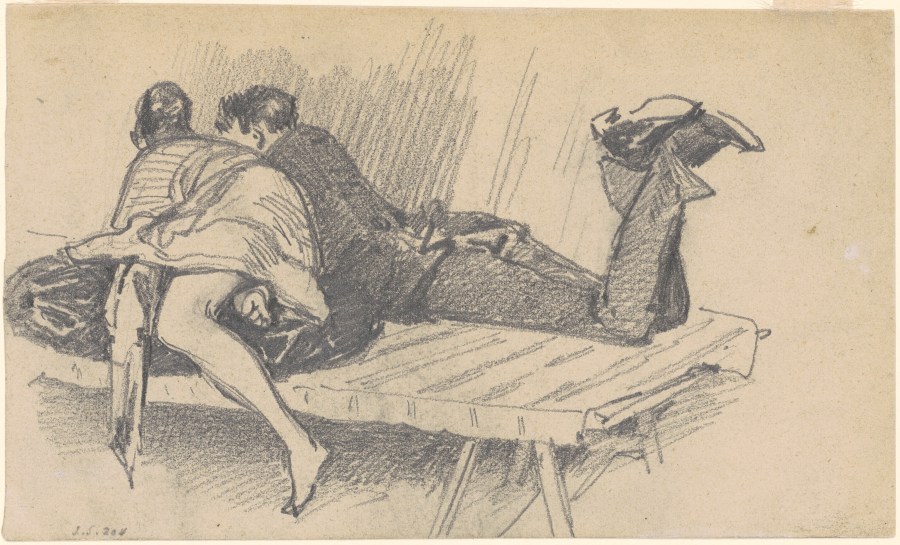
Featured Art: Couple on a Cot, c. 1874-1877 by John Singer Sargent

I once walked past a man on February 14th
who was peeing on a window display,
teetering on his tiptoes & bent backward
aiming at the word love written in red curlicues.
Robins fat as cupids watched from the hedges.
At the end of the block I had to look again, too.
He was still going at it like an acrobat or a camel.
I thought I might do the same thing
if I had the equipment because love was a spike
in the vena cava or an arrow in the brain,
the great spurns of fate turning kisses into thorns.
Sometimes I make myself sick with nostalgia.
I can’t help it if I listen to Dan Fogelberg Radio.
I used to play Dan’s song “Longer” on the guitar
& weep that my longest relationship was with my dog.
She once pulled the sock out of a man’s shoe
while he was wearing it in my doorway.
My dog didn’t stop growling for an hour
after he left. She knew he wasn’t for me,
but who was? & then I met you.
We once kissed all day long & lost weight.
My students all got A’s, called themselves The Love Class.
I once told you that in my next life I’d be a weatherperson
& asked what you’d be. “Dead,” you said.
If my dog had still been alive then
she’d have known you were the guy for me.
Even though we’ve been together longer
than any forest primeval, I want to go to bed with you
in this dark middle of an afternoon,
tell you about the cumulonimbus & nimbostratus
clouds that mean rain is on its way. Without any words,
let me teach you the word petrichor, which means
that earthy smell that accompanies first rain
after a long spell of warm, dry weather.


Read More

You Once Felt Gigantic

By Jonathan Greenhause

Featured Art: Siegfried and the Rhine Maidens, 1888/1891 by Albert Pinkham Ryder

but are presently a grain of sand
buried at the bottom of the sea, a fly on the windowpane

of a once-sacred mosque lost in the heart of Christianity.
Your glorious achievements

are scribbled footnotes on pages ripped from ancient tomes
no one will ever read, your manifestos mistaken for satires,

dismissed as innocuous, as too eager to please.
Your rightful place in history

has been repeatedly plowed under, the dates of your birth & death
erased to make room for more pressing memories.

Each song you composed
has already commenced its inevitable process of decomposition,

each film you directed unable to witness
its celluloid heroes resurrected & displayed on screen,

all the streets named after you
bulldozed, converted into numbered freeways.

You’re the impenetrable fortress
constructed by a civilization that has ceased to wage war,

the central star in a system
with no sentient creatures to adore you,

the children you enthusiastically sired
having been born sterile, told their father never existed.

Even the undiscerning worms have tasted better meat than yours
& will quickly forget the meal you’ve fed them.


Read More

Keep Your Lamp Trimmed and Burning

By Elton Glaser

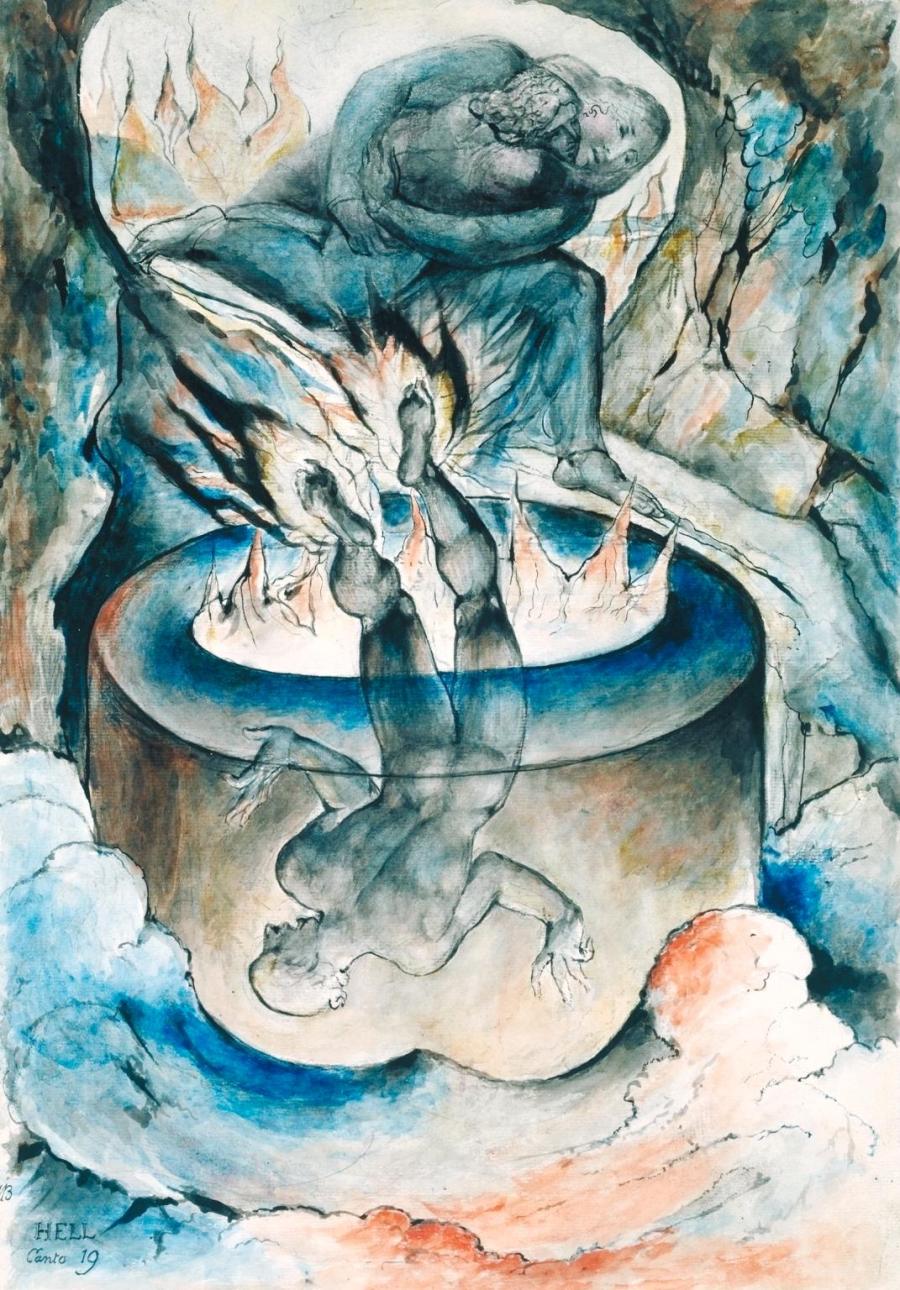
Featured Art: The Simoniac Pope,  1824-7 by William Blake

I pay my sin tax
On cigarettes and booze, keeping afloat
The pious aspirations of Ohio.

A good smoke will corrupt the lungs
Just as sweetly as
London gin will weaken the liver.

There’s always a tangle of implications
That riff on the ineffable
And the strange banquets of the flesh.

I’m posting these dispatches to you
From my little boondock of the damned,
Eking out my last days

Among the living dead of the heartland,
The frightened corn farmers
And all those overdosed on drugs or Jesus,

Dope brewing in a duplex
Where the kids sleep in crusty diapers
And dogs wheeze on the fumes,

Three doors down from smalltown messiahs
Who vote against the liquor license
And for the blowhards and the jackboot.

Sometimes my mind is
The ripe green of late April, and sometimes
A dinge of old snow.

If you can stand it, what’s better than
The ammonias of intuition,
Which snap your head back

And make you come alert to
Everything around you,
Like a blind man in a minefield?

Read More